Rummy How-To: Make a Decision Tree for the Next Draw
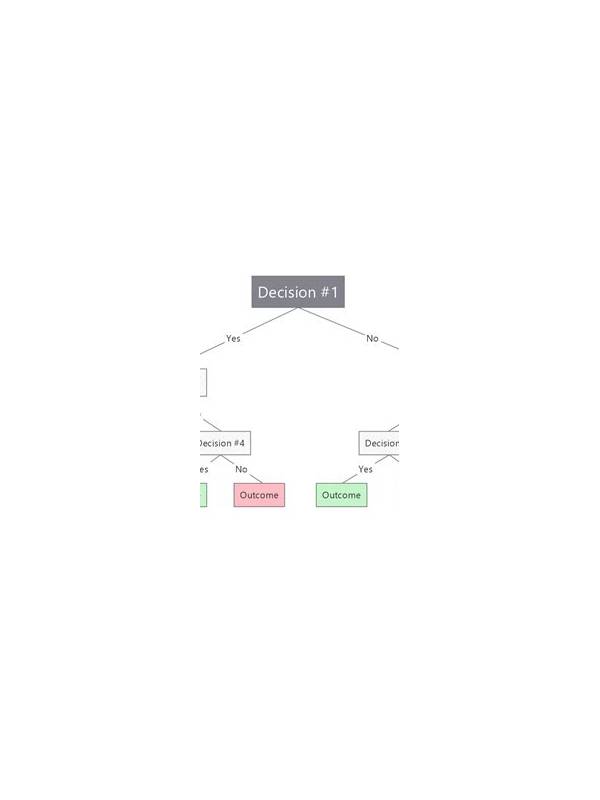
Planning every future draw is impossible, but planning the next decision is practical. A small decision tree shows what you will do if the next card completes a group, improves a partial group, or fails to help.
Begin with the current hand and choose no more than two target shapes. For each target, write the useful outcome in plain language. One branch might be “a card that completes the open run.” Another might be “a card that turns the pair into a legal set.” Keep the branches broad enough to recognize quickly; exact rank lists can be added only when they are genuinely useful.
Now create a neutral branch for an unhelpful draw. This is important because many decisions are made after the hoped-for card does not arrive. Decide in advance which existing card becomes the first discard candidate if nothing improves. A fallback prevents frustration from selecting a random card.
Add one branch for a confusing draw. This could be a bridge card that improves two plans, or a joker that changes the value of several groups. The rule for this branch is to pause and re-sort the hand rather than forcing the card into the first plan you imagined.
At the next turn, compare the real card with the branches. If it matches a branch, follow the associated action, then reassess the whole hand briefly. If it matches none, use the fallback and check whether the two target shapes still make sense. Do not treat the tree as a promise; it is a set of reminders.
Keep opponent guesses outside the first version of the tree. Your own hand and the visible table state are stronger evidence than a theory about another player’s hidden cards. If open-pile behavior later provides useful information, adjust confidence rather than rebuilding every branch.
The tree is most effective when it fits on one screen or a small note. Three or four branches are enough: improvement one, improvement two, no improvement, and confusing card. This limited structure keeps the next draw manageable and helps you make a deliberate discard even when the round develops differently from your original expectation. You can write the tree as a short sentence instead of a diagram: “Complete the run if possible; otherwise test the set; if neither improves, release the isolated high-cost card.” The wording should be specific enough to guide an action but general enough to survive a slightly different hand.
Related Post
Rummy FAQ: Why Keep a Pure Sequence Early?
Preserving an early pure sequence can simplify later decisions, though every hand still needs a [...]
Rummy How-To: Test a Sequence Before Holding It
Testing a possible sequence against alternatives can prevent one attractive connection from controlling the whole [...]