Rummy Probability: Why More Outs Do Not Guarantee a Better Plan
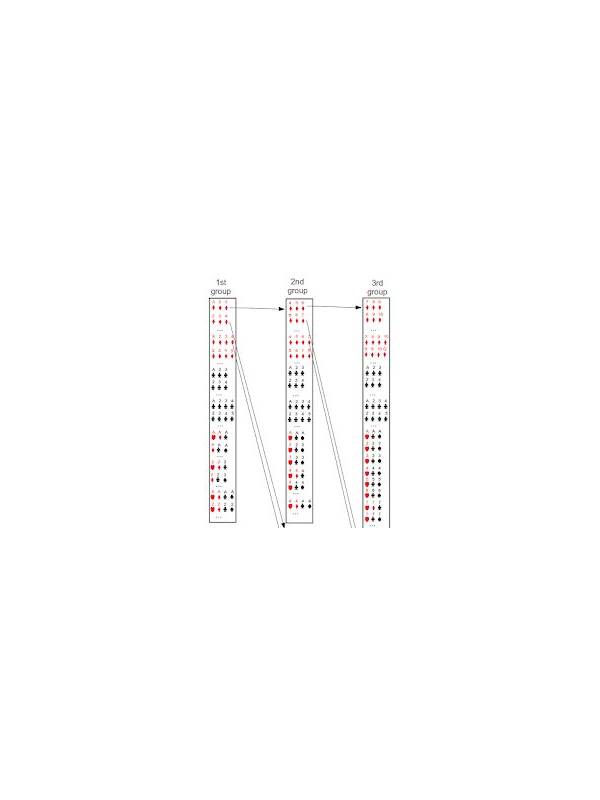
Counting possible cards is helpful, but it is not the same as choosing a strong plan. A hand may have many apparent outs and still be awkward because those cards solve only one small problem. Another plan may offer fewer immediate cards while preserving several useful routes. The difference matters in Indian rummy and other draw-and-discard formats where every turn changes both your hand and the information available to you.
Start by defining an out precisely. It should be a card that improves a named group, not simply a card that looks attractive beside something else. If four cards could extend a sequence, write down what each one accomplishes. Then ask whether the resulting group can coexist with the rest of the hand. A draw that completes one group but leaves two expensive singles may be less valuable than a draw that creates a flexible pair.
Next, separate quantity from quality. Label each out as direct, conditional, or cosmetic. A direct out completes a legal group immediately. A conditional out helps only if another card arrives later. A cosmetic out changes the appearance of the hand without reducing its real completion distance. This small classification prevents a long list from creating false confidence.
Consider timing as well. An out available early may have several future uses, while the same card late in the round may be too slow. Conversely, a narrow late draw can be correct when it is the only route to a valid declaration. Review the number of turns remaining, the cards already visible, and the penalty attached to cards you would keep while waiting.
Finally, compare the plan’s fallback. If the desired card does not arrive, can you discard one part cleanly and continue? A plan with fewer outs but a gentle fallback can outperform a crowded plan that collapses after one miss. Use the question, “What do I do after two unhelpful draws?” as a final test. Probability informs the decision; hand shape and recovery cost complete it.
Related Post
How to Use a Rummy Decision Pause Under Pressure
A short pause helps players check structure and discard cost before acting on a rushed [...]
Rummy Safety: Keep a Private Record of Transactions
A private, minimal transaction record can help with account checks without exposing sensitive information. [...]