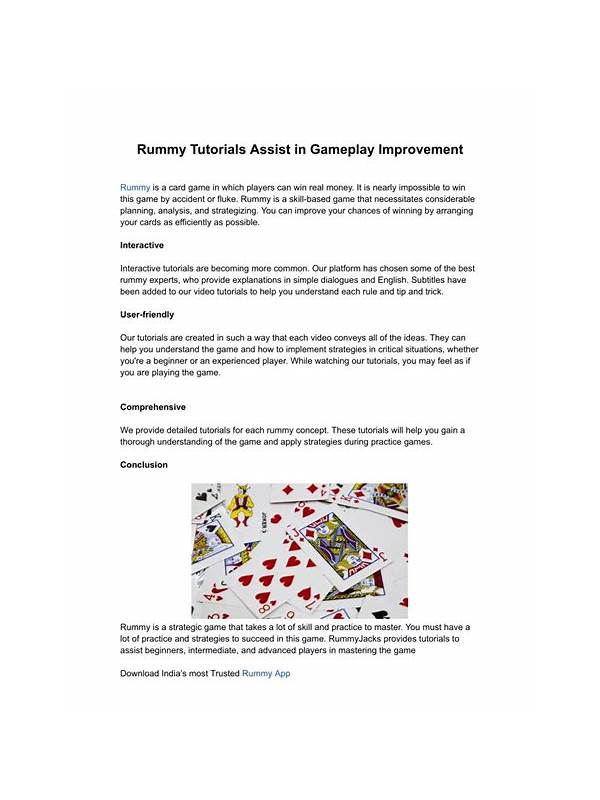
Rummy Comparison: Memory Aids Versus Live Observation
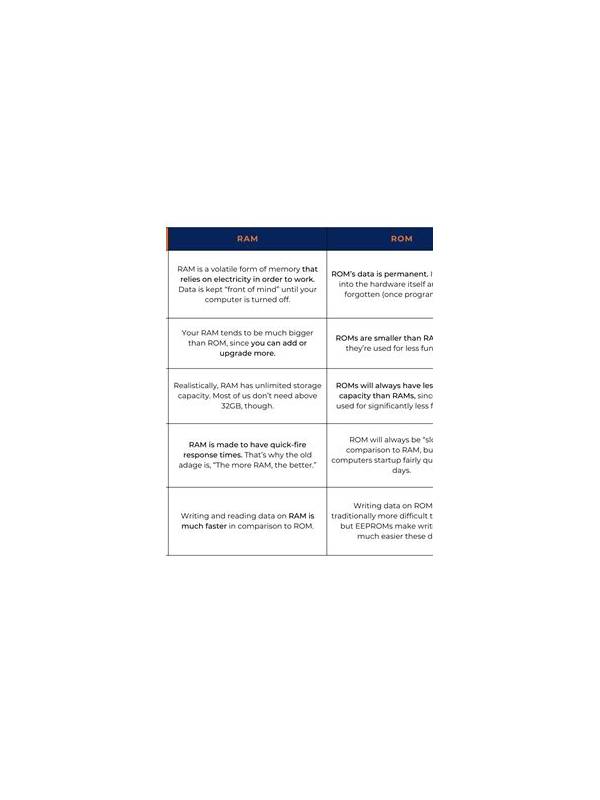
Memory aids and live observation solve different problems. A note can preserve a fact that would otherwise disappear, while observation captures changes that happen during the current round. Relying on only one can distort a decision: notes may become stale, and memory may overemphasize the last dramatic discard.
A useful memory aid is compact. Record the variant, the cards your main groups need, and one discard category to avoid. Do not attempt to write every revealed card. Excess detail consumes attention and can make a player look backward when the current hand has already changed. A two-line note is often stronger than a full transcript.
Live observation should focus on relevant signals. Notice whether the open pile is being used, whether a suit or rank is appearing repeatedly, and whether the pace or table state has changed. Treat these as evidence, not proof of an opponent’s hidden hand. A single discard can be accidental or forced by a rule.
The best balance is a checkpoint routine. At the start, make a short inventory. After a major meld or unusual discard, update only the affected line. Before declaring, stop recording and inspect the actual hand against the rules. This keeps the aid subordinate to the decision instead of turning note-taking into a separate task.
Compare the methods by purpose. Memory aids are better for repeated mistakes, forgotten rules, and post-game learning. Observation is better for immediate timing, visible cards, and changes in the open pile. Neither method creates certainty. Both should support a clear question such as, “Which of my two plans still has a legal and affordable next step?”
For practice, play a short no-stakes hand twice. In the first attempt use only a minimal note; in the second rely on observation. Review which facts you missed and which facts were irrelevant. Build a personal aid around those findings, and remove anything that adds effort without improving a choice.
Related Post
Rummy Tips: Review Decisions at Three Speeds
Match quick, normal, and slow review speeds to the importance of each rummy decision. [...]
Rummy Guide: Build a Reliable Opening Routine
A repeatable opening routine helps you read a new hand before committing valuable cards. [...]