Rummy Safety: Check the Recipient Before Sharing a Screenshot
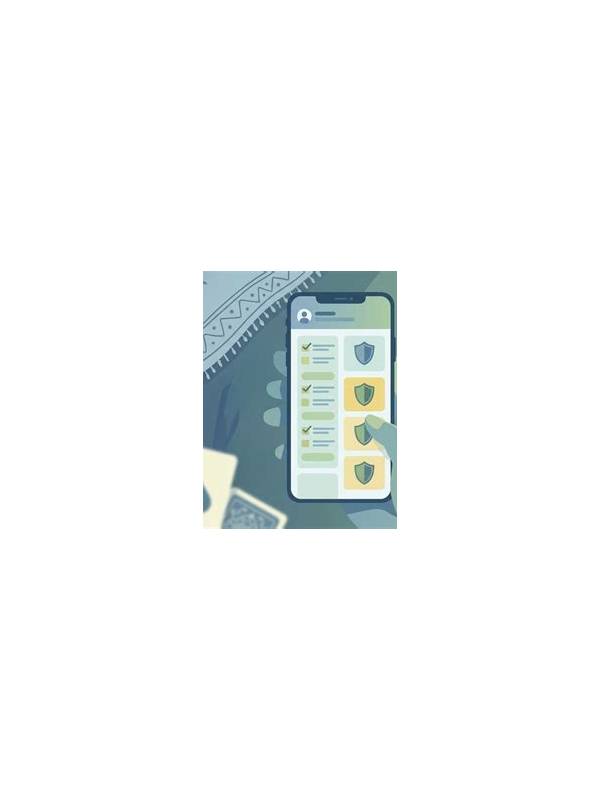
A screenshot made for strategy feedback can accidentally expose an account, notification, payment reference, or private conversation. Before sending one, check both the image and the recipient. A trusted-looking group can include forwarding, automatic backups, or people you did not intend to contact.
First crop the image to the cards and the information needed for the question. Remove usernames, avatars, balances, table codes, device notifications, and status-bar details. Check every corner at full size. If a sensitive area is not necessary, delete it rather than relying on a weak blur.
Next verify the destination. Confirm the address or group name before pressing send, especially after copying a contact or replying from a notification. Do not send account recovery messages, one-time codes, identity documents, or payment confirmations with a game image. If support needs identifying information, use the platform’s verified private channel and follow its stated process.
Explain only the useful context: the variant, the hand, the decision, and the rule being considered. Invented names and altered stakes are enough for most practice discussions. Avoid sharing a live opponent’s private information as well.
If you send the wrong image, remove it where possible, notify the recipient not to forward it, and change exposed credentials from a trusted device. Contact official support if account or payment data was visible. Make “crop, inspect, recipient” a three-second habit before sharing.
Privacy does not prevent good learning. A carefully prepared example usually gives better strategic feedback because it focuses attention on the hand rather than distracting personal details. Close private conversations, remove notification previews, crop tightly, and inspect the image at full size. Read the recipient line slowly and consider whether text would work better. If more context is needed, use invented details or a second crop rather than the original screen. Clear practice material can show card relationships without showing an account, payment record, or private contact.
Related Post
Rummy Guide: Turn a Loss Into One Actionable Lesson
A focused review routine helps you learn from a losing rummy round without relying on [...]
Rummy Comparison: Early Melds or More Information First?
Early melds can simplify a hand, while waiting can preserve flexibility; the right choice depends [...]