Rummy Tips: Separate Card Evidence From Outcome Evidence

A win can follow a weak decision, and a loss can follow a sound one. Reviewing only the result makes it difficult to improve. A better review separates card evidence from outcome evidence and gives each a different role.
Card evidence includes the groups visible in your hand, the known discards, the table rules, and the options available at the moment of choice. Outcome evidence includes the final score, an opponent’s declaration, or the card that appeared later. Outcome evidence matters, but it was not always available when the decision was made.
After a round, reconstruct the decision at the exact point you want to examine. List the two or three realistic options, then write what each option preserved and what it sacrificed. Do not add the final draw yet. Ask which choice was better supported by the information on screen at that time.
Only after that first judgment should you reveal the outcome. If the card you wanted arrived later, note it as a result, not as proof that waiting was correct. If an opponent completed a shape you suspected, note that as an update to your reading method, not as evidence that your earlier discard was automatically wrong.
This distinction is especially important when the round contains randomness or a reconnect. A technical interruption may affect the outcome without changing the quality of the earlier plan. Record the event separately so it does not become a vague explanation for every part of the hand.
End the review with one concrete adjustment. It might be “check pure-sequence requirements before valuing a set” or “use a fallback when the narrow draw misses.” Avoid broad conclusions such as “play more carefully.” A specific adjustment can be tested in the next practice session.
The purpose of review is not to defend a result or criticize yourself. It is to improve the link between evidence and action. When card evidence and outcome evidence stay separate, lessons become clearer and less dependent on luck. This method also helps when reviewing strong results. A win may hide a shortcut that would fail in another hand, so identify which evidence actually supported the choice. A calm review of a successful round is often as instructive as a review of a loss because it tests whether the reasoning is repeatable. The result is information, not a verdict on your ability. That discipline keeps later luck from rewriting the quality of an earlier choice.
Related Post
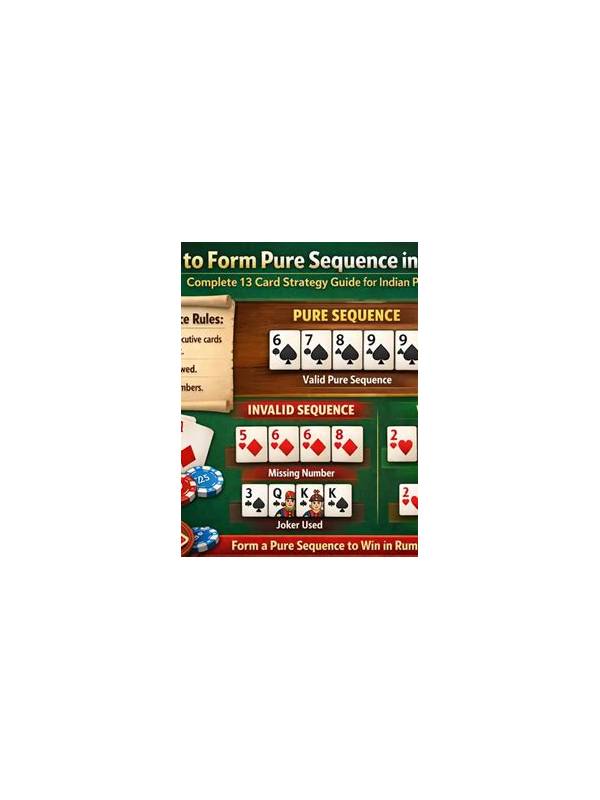
Rummy Guide: Evaluate a Sequence Gap Without Chasing It
A missing middle card changes a sequence plan, but it does not always require abandoning [...]
Rummy How-To: Set a Review Point Before Taking a Risk
A predefined review point helps evaluate a risky rummy plan before it becomes difficult to [...]