Rummy FAQ: When Is a Joker Better as a Connector?
A joker is often described as a universal substitute, but its best use depends on the shape of your hand and the rules of the table. In some situations it is better used as a connector inside a sequence; in others, saving it for a different group preserves more options.
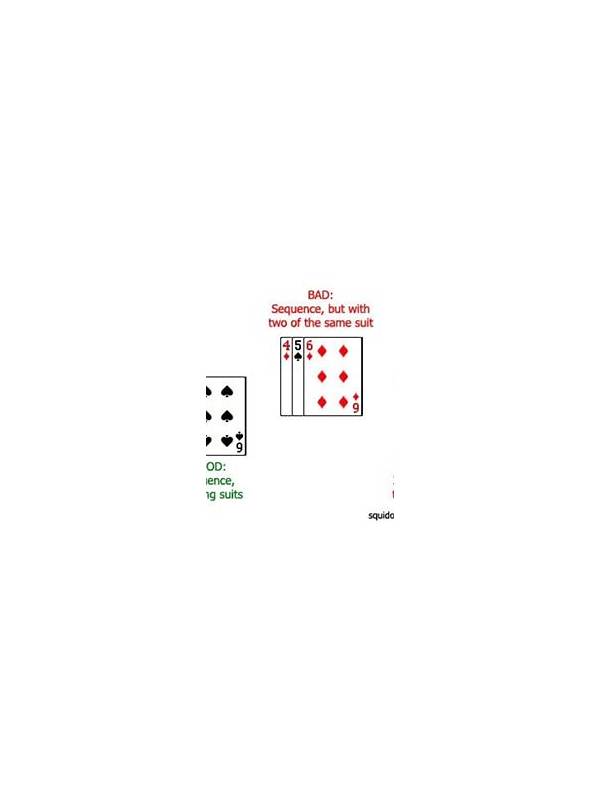
Use a joker as a connector when it completes a high-confidence structure that would otherwise require one exact natural card. For example, if two suited cards have a single gap and the joker turns them into a legal sequence, the wild card may remove a major uncertainty. This is especially useful when the two natural cards have little value outside that connection and when the completed group helps satisfy a required pure or natural meld.
The choice is weaker when the same joker is the only support for several unrelated ideas. A card that can repair three groups has option value. Spending it to make a decorative pair may leave the rest of the hand stranded. Before placing it, write down what each group would need without the joker and identify whether one natural card can serve two plans.
Rules matter. Some formats restrict jokers in pure sequences, define printed jokers separately, or score unused jokers in a particular way. Read the active table rules before relying on a general rummy habit. If the app displays a validation warning, pause and resolve the rule rather than repeatedly trying declarations.
Finally, compare the joker’s immediate gain with its exit value. Does it lower penalty, create a required meld, or give you a clear path to finish? If not, keeping it for one more turn may be sensible. There is no universal “always use” rule. The sound question is which legal placement reduces the most uncertainty while leaving the fewest dangerous loose cards.
Consider timing as well. A joker used early can make the hand easier to read, but it may expose the structure you are building. A joker saved late may have less time to help, yet it can rescue a declaration that would otherwise fail. Review the table’s scoring and timing before choosing. The best use solves a real requirement at an acceptable opportunity cost.
If you are uncertain, place the joker aside mentally and compare the natural-card plans first. Ask what the hand would look like if the joker were unavailable. This counterfactual often shows whether the wild card is solving a genuine structural problem or merely making a weak arrangement appear complete.
Related Post
Rummy Guide: Choose a Discard When Every Card Has a Job
When every rummy card seems useful, compare jobs, deadlines, and replacement cost to find the [...]
Rummy FAQ: Can a Completed Group Still Be a Problem?
A completed group can still create trouble when it is illegal, misread, or consuming cards [...]