Rummy How-To: Rehearse a Declaration Before Submitting It
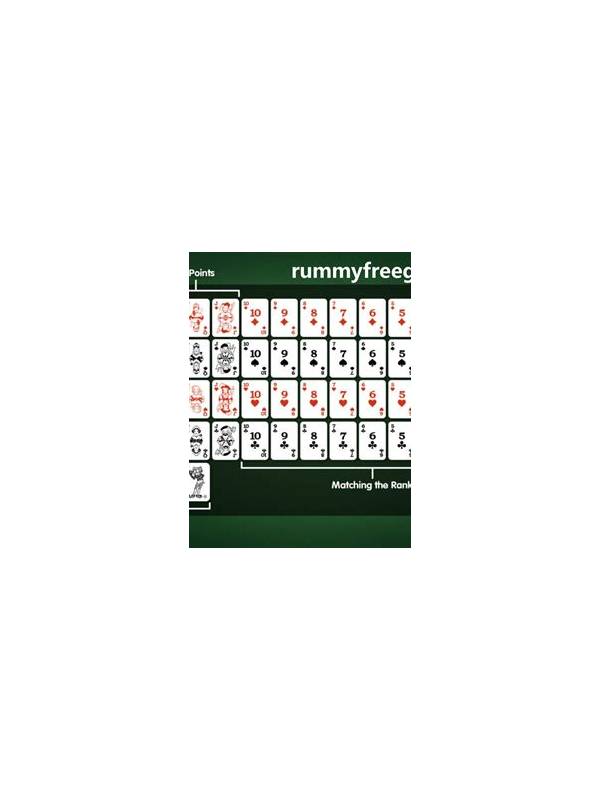
A declaration is easier to check when you treat it as a small explanation rather than a dramatic final click. Rehearsing the hand in a fixed order can reveal an ungrouped card, an illegal sequence, or a rule requirement you forgot under time pressure.
First, stop rearranging for a moment. Identify the groups you intend to submit and name each one by suit and rank, such as “hearts 4-5-6” or “three queens.” Do not rely on the visual neatness of the layout. A tidy row can still contain a gap, a duplicate-suit error, or a joker being used where the table disallows it.
Second, mark the required structures. Many rummy formats require a specified number of sequences and may require at least one pure sequence. Your rehearsal should answer three questions: Which group is the primary required sequence? Which group is the second sequence or set? Where does every remaining card belong? If you cannot answer one question in a single sentence, keep checking.
Third, inspect the edges. Confirm that ranks are consecutive in the correct direction and that aces follow the active rule. Check that a set uses different suits when required and that a wild card is clearly substituting for a permitted card. If the app offers a preview or validation panel, use it as an additional check, not as a reason to skip understanding the grouping.
Only then submit. If the interface has a countdown, rehearse early enough to leave time for one correction. Afterward, record the type of mistake you almost made. Over several sessions, you may find a personal pattern, such as rushing the final group or forgetting a pure-sequence condition. The rehearsal works because it turns a vague feeling of readiness into a repeatable checklist.
For practice, separate the cards into groups and say the missing rule aloud. If you find an error, note where it occurred instead of restarting the entire hand. With repetition, the sequence becomes automatic: name groups, verify requirements, inspect edges, and submit only when every card has a place. This routine is useful whether the table is casual or competitive.
Keep the rehearsal short enough to use consistently. A long analysis can create new confusion at the deadline. The fixed order is more important than fancy terminology: identify, verify, inspect, submit. If the app or format has a special declaration condition, add that condition to the same order so it becomes part of your normal habit.
Related Post
Rummy Safety: Make a Simple Session Budget
A written session budget creates a practical boundary for time, attention, and money before play [...]
Rummy Practice Review: Turn Notes Into One Useful Lesson
Limiting a practice review to one observable lesson makes improvement more practical and sustainable. [...]