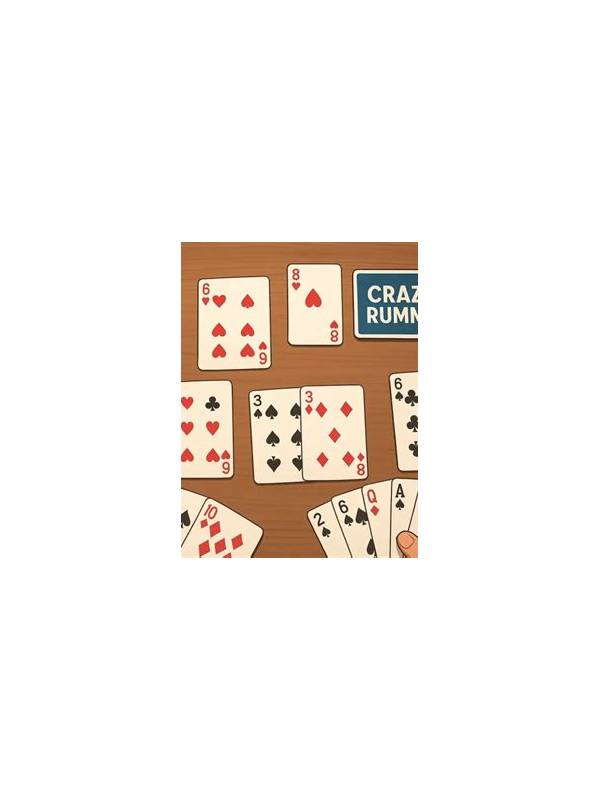
Rummy How-To: Set a Stop Point for a Learning Session
Practice becomes harder to evaluate when it has no end. A planned stop point protects attention, makes sessions comparable, and reduces the temptation to continue simply because the last result was disappointing.
Choose the stopping rule before joining a table. It can be a number of rounds, a time window, or one completed exercise such as reviewing three discard decisions. A learning goal is often better than an arbitrary number because it tells you what “finished” means. Keep the rule small enough that you can follow it on a busy day.
Define an exception for safety and technical problems. Stop immediately if you feel unwell, the device becomes unsafe to use, or the connection behaves unpredictably. A stopping rule is not a reason to ignore an emergency or chase a technical issue through repeated attempts.
During the session, mark progress with a simple tally. Record only the chosen exercise and a short observation. Avoid writing a detailed analysis after every turn; that can become another distraction. If a hand produces a useful question, note the question and continue until the planned endpoint.
When the endpoint arrives, finish the current safe action if the interface permits it, then leave. Do not add “one more round” automatically. Review the notes after a short break, while the result is still available but the immediate emotion has softened. Choose one adjustment for next time and stop there.
Different goals may need different stop points. A control practice session can be brief, while a declaration review may need a few complete hands. The important feature is that the boundary is decided before the result tries to influence it.
A stop point turns practice into a repeatable experiment. You can compare what you intended to test with what you actually observed, then decide whether another short session is useful. More time is not always more learning; focused time with a clear finish is easier to use. If you stop while a question is still open, record the question instead of extending the session. Returning to it later with a fresh hand can produce better evidence. The boundary is doing its job when it preserves curiosity without turning curiosity into pressure to continue. Stopping on schedule is part of the exercise. The next session can begin with that question and a fresh, limited test. It protects the quality of the review as much as the quality of the play.
Related Post
Rummy FAQ: When Should You Use a Conservative Discard?
A conservative discard is useful when preserving legality and reducing exposure matters more than chasing [...]
Rummy Safety: Keep Personal and Game Data Separate
Separating strategy notes from personal account information makes rummy practice safer and easier to review. [...]