Rummy Guide: Map Your Hand by Potential and Risk
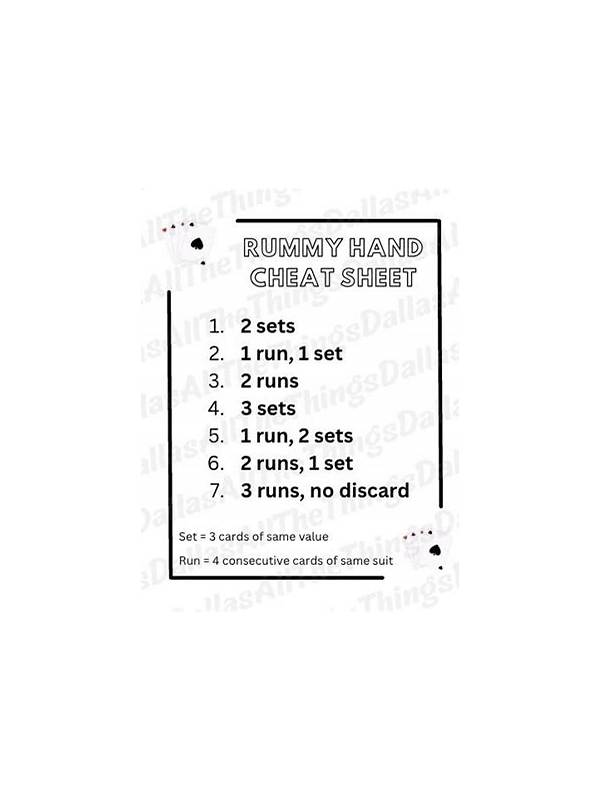
When a rummy hand looks promising, it is easy to count every possible combination as if it were nearly complete. A better review separates potential from risk. Potential asks what a card could become. Risk asks how many turns, specific draws, or awkward discards are needed before that idea is useful. Keeping those measures apart makes a hand easier to evaluate.
Begin by sorting cards by suit and rank. Mark each card as committed, flexible, or exposed. A committed card belongs to a group you would keep even if another plan appeared. A flexible card serves two credible constructions. An exposed card has little support. This map often reveals that a tidy-looking hand contains several passengers that are costing attention.
For each candidate group, list the missing cards that would improve it. A pair needing one of several matching ranks has more practical potential than a gap needing one exact card. Do not award full credit to a combination merely because it is technically possible. Favor plans supported by multiple useful draws and discount plans that rely on a narrow route.
Risk changes as the round develops. Early on, a flexible pair may deserve patience because there is time to improve it. Later, the same pair may be harmful if it prevents you from reducing unmatched points. Reassess after every draw instead of defending the first attractive arrangement. A plan earns its place again each time the hand changes.
Choose a discard threshold before the next decision. An exposed card with no current role and no clear replacement route can leave. A flexible card should stay only when it genuinely serves two plans, not when you can imagine two plans in theory. This threshold keeps one appealing card from becoming a permanent passenger.
Finally, compare the most ambitious shape with the safest complete shape. The ambitious route may offer a quick finish but require exact draws. The safer route may be less exciting yet easier to complete. Consider the table rules, entry cost, and your session limit. A clear potential-and-risk map helps you choose deliberately while accepting that the deal itself cannot be controlled. +During review, write down the reason for keeping each flexible card in one short phrase. If the phrase is “it might help,” the card probably needs a stricter test. Replace that phrase with a draw condition or a discard deadline. Clear language turns vague optimism into a manageable decision and makes later review much more honest.
Related Post

Rummy FAQ: Why Is a Low Card Not Always Safe to Keep?
Low point value reduces penalty, but it does not automatically make a card useful or [...]
Rummy Guide: Use a Repair Budget for Every Plan
A repair budget estimates how much flexibility a rummy plan has when its first idea [...]