Rummy Guide: Separate Useful Pairs From Decorative Pairs
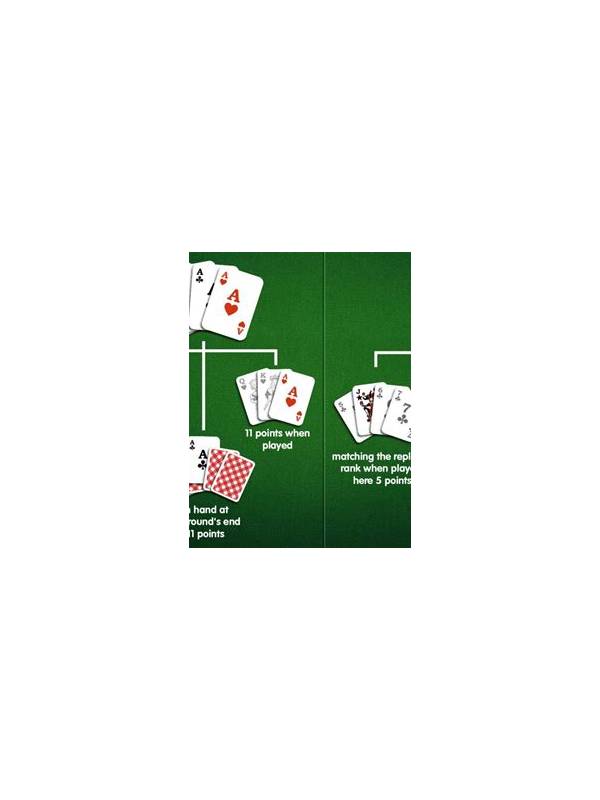
Two cards of the same rank look organized, so players often keep them automatically. But a pair is not a finished group. Its value depends on the available matching cards, the other cards you need, and the cost of carrying it while waiting. Calling every pair progress can leave a hand crowded with attractive but disconnected pieces.
Ask what would complete the pair. If a third card of that rank creates a set, count how many realistic suits or copies could help. Then inspect the pair’s relationship with the rest of the hand. One card may connect to a sequence while the other is simply a high-point singleton in disguise. A pair with several extensions is useful; a pair with one narrow route may be decorative.
Imagine keeping the pair for two more turns. Which card would you discard if no matching card arrived? If the fallback discard lowers risk, the pair can be a reasonable temporary hold. If keeping it forces you to carry several unsupported cards, it is consuming attention without improving the hand. This test exposes pairs that look better than they behave.
Compare the pair with a near sequence. A pair may have several possible matching cards, while connected suited cards have a clearer path. Conversely, a pair can be more flexible when your hand already contains a partial sequence needing one exact card. The right comparison is contextual, not a permanent ranking of sets over sequences.
Give every speculative pair a review point: after the next draw, after two turns, or when the hand enters its late stage. At that point, ask whether it gained support. If not, release the weaker card or abandon the idea. A review point prevents time already spent holding a card from becoming a reason to keep it.
Table information can adjust value, but one visible discard does not prove what remains available. Use it as a modest signal. Useful pairs earn their place by fitting a credible complete hand. Decorative pairs stay only because they look neat. Learning the difference makes sorting and discarding more purposeful. +A pair can also be decorative because it blocks a card that would complete a pure sequence. When comparing those options, check the format’s declaration requirements before choosing. A valid sequence may have more structural value than a matching trio that leaves the rest of the hand scattered. Function should decide, even when the pair looks more satisfying.
Related Post
Rummy Guide: Use a Last-Useful-Card Test
The last-useful-card test identifies whether a group still has a credible reason to remain in [...]
Rummy Guide: Use a Two-Question Endgame Review
Two focused questions can help you check a nearly finished rummy hand before making a [...]