Rummy Safety: Keep Your Playing Posture Sustainable
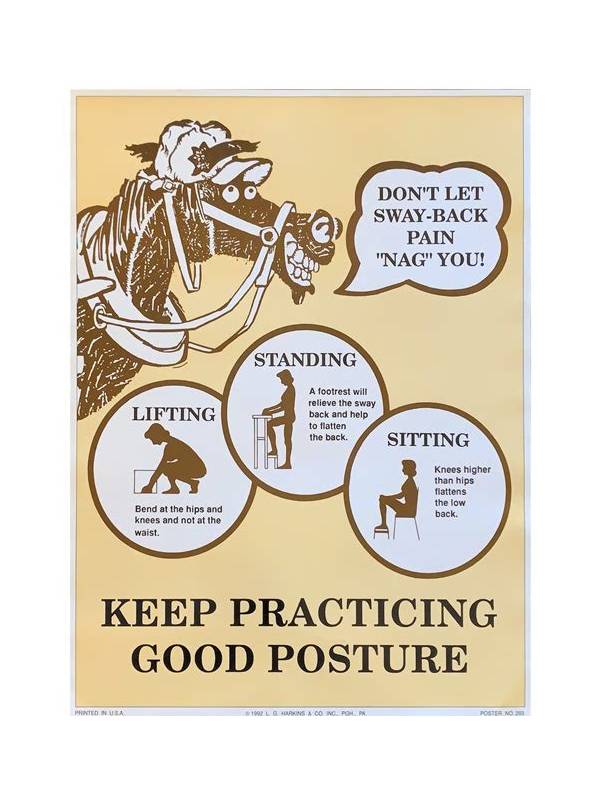
A good rummy session includes attention to the body as well as the cards. Leaning toward a small screen, holding a phone at an awkward angle, or sitting still for too long can create neck, shoulder, wrist, or eye discomfort. Discomfort can also reduce decision quality, so posture is part of sensible session management.
Place the screen where you can read it without bending your neck sharply. Keep your shoulders relaxed and support your forearms when possible. If you use a phone, alternate hands or set it on a stable surface rather than gripping it continuously. For a physical deck, arrange the cards within easy reach so you are not repeatedly twisting your wrist.
Use a simple break rule. Every few hands, look away from the screen, move your shoulders, and stand briefly. A break is especially appropriate when your eyes begin to strain, your fingers feel numb, or you notice yourself changing position repeatedly to see the cards. Do not wait for significant pain before stopping. Persistent or severe symptoms deserve medical attention, not a longer game.
Lighting matters too. Avoid glare that makes you lean forward, and avoid playing in a dark room with a bright screen as your only light. Adjust text size and contrast when the app allows it. These changes improve visibility without requiring more concentration.
Posture guidance is not a performance trick and cannot make an uncertain hand certain. It simply protects the conditions needed for clear thinking. Set a maximum session length before you begin, and end the session if comfort does not return after a short break. If you are tired, unwell, or distracted by physical discomfort, choose practice review or rest instead of a demanding table.
Small adjustments are often enough. Keep frequently used controls within easy reach, avoid resting a device against an unstable surface, and use a chair that lets your feet rest comfortably. If you wear glasses, clean the lenses and choose a viewing distance that does not make you squint. A timer can remind you to move, but it should not pressure you to return before you are ready. Physical comfort is a reason to change or end a session, not a challenge to overcome for the sake of one more round.
Before a longer session, make a quick body check: feet supported, shoulders loose, screen readable, and water nearby. During a break, walk or stretch gently rather than immediately switching to another bright screen. These small choices make it easier to notice fatigue before it affects play.
Related Post

Rummy Comparison: One Deep Review or Several Quick Reviews
Deep and quick reviews serve different learning goals, so combine them according to your available [...]
Rummy How-To: Estimate Deadwood Before Your Next Draw
A quick deadwood estimate shows which cards carry the greatest cost if the hand fails [...]