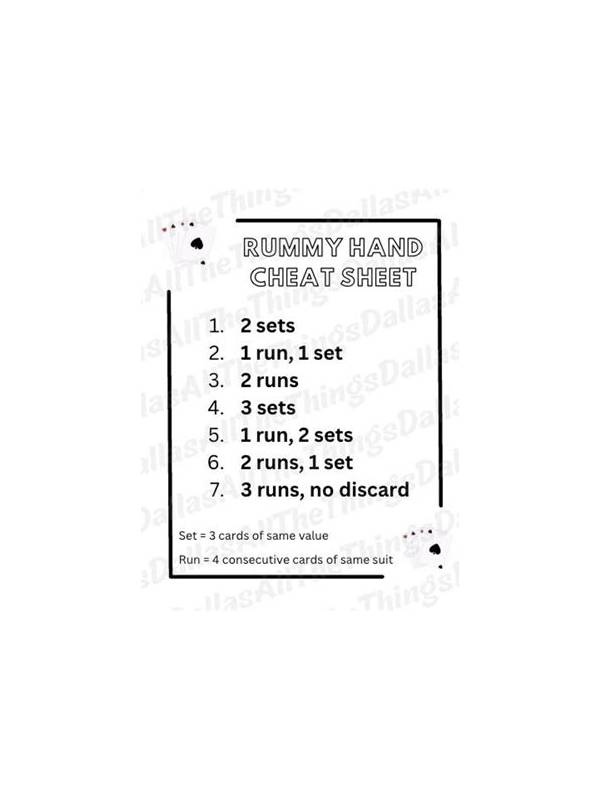
Rummy Strategy: Use a Turn-by-Turn Commitment Meter
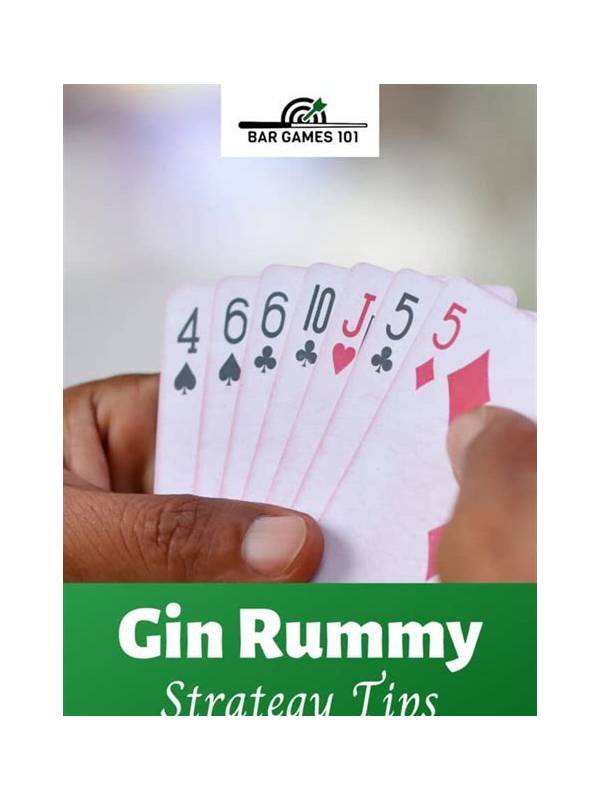
Some rummy plans become expensive gradually. A player holds a pair, then protects a narrow gap, then rejects several useful discards because abandoning the idea feels wasteful. A commitment meter makes that drift visible. It is a private scale from zero to three, where zero means an observation, one means a possible plan, two means a preferred plan, and three means a plan that is close to completion.
At the beginning of a hand, label ideas conservatively. A pair or one connected pair usually deserves level one, not level two. Raise the level only when a draw confirms the route or when the plan reduces the number of unresolved groups. Lower it when a needed card becomes less plausible, when the plan requires breaking a safer group, or when another route becomes clearly better.
Before discarding, ask whether the card you are protecting has earned its current level. If it is still level one after several turns, treat it as replaceable. If it is level three, check that it satisfies the variant’s actual completion requirements before assuming the hand is ready. The meter does not decide for you; it prevents emotion from silently turning a guess into a commitment.
Keep the scale separate from confidence about the next draw. A level-three plan can still fail, and a level-one idea can suddenly improve. The scale describes your investment in the plan, not the probability of success. This distinction helps you respond to new information without feeling that a change of plan is a personal failure.
You can also use the meter to limit emotional escalation. If a plan rises only because you have already spent several turns on it, that is not evidence. Ask what new fact caused the increase. If there is no fact, keep the level unchanged and compare the plan with your alternatives. In a review log, write the level and the reason beside the turn number. This gives you a record of decision quality rather than a story constructed after seeing the result.
Avoid comparing your meter with another player’s confidence. The scale is a private planning aid, and different hands justify different levels. If the meter adds pressure, replace numbers with words such as possible, preferred, and near-ready. The important feature is a visible commitment boundary that can move when evidence changes.
Practice with sample hands by marking each unfinished group after every simulated turn. Review where you raised or lowered a level and whether the change was supported by a visible fact. Over time, you may find that your best decisions come from reducing commitment early enough to keep two practical routes alive.
Related Post
Rummy Comparison: Visual Notes Versus Written Notes
Visual layouts reveal card relationships quickly, while written notes are better for tracking habits across [...]
Rummy FAQ: What Is a Shared Dependency in a Hand?
A shared dependency is one missing card or condition that several rummy plans rely on [...]