Rummy How-To: Mark Cards That Have Lost Their Partners
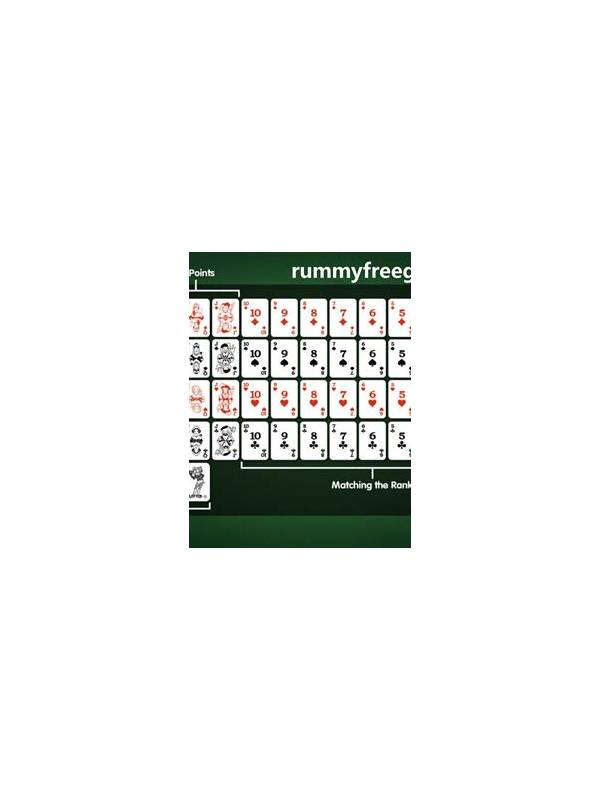
Cards can lose value during a hand even when their printed rank has not changed. A card that once connected to two possible groups may become isolated after several relevant cards are drawn, discarded, or committed elsewhere. Marking these partner losses is a practical way to keep the hand current instead of relying on an outdated first impression.
Begin by reading the hand from left to right and naming the job of each card. Is it in a legal group, part of a promising connection, or completely loose? For every promising connection, name the partners it still needs. Avoid saying only that a card is “good.” Write mentally, for example, that a middle card can join either of two nearby ranks, while an edge card has only one realistic extension.
Now compare that list with the visible table. If one required partner appears in a completed opponent group or has been discarded and is no longer available under the rules, cross out that route. If several copies have become unavailable, lower the priority of the remaining route. The card may still have a second job, but it should not retain its old value merely because it looked flexible at the beginning.
A partner-loss review is not the same as instantly discarding every card with one route. Sometimes a single missing card completes a high-value or strategically important group. The point is to make the dependency visible. Ask how many turns you are willing to wait, what alternative group the card supports, and what you will release if the partner does not arrive.
This method also protects against accidental borrowing. A card may appear to support a run while simultaneously being the only bridge to a set. When you mark its partners, you can see that the hand is counting the same card twice. Choose the role with the clearer completion path, then reassess the displaced cards rather than preserving both plans indefinitely.
Use the review after every meaningful change: taking a discard, seeing a new visible group, or abandoning a planned sequence. A quick note such as “two routes,” “one route,” or “no route” is enough. As the hand develops, cards should earn their place through current connections. That habit reduces clutter, clarifies discards, and makes the final declaration easier to verify. You can make the process even quicker by using physical or mental labels. “Complete” means the card needs no partner. “Live” means at least two useful routes remain. “Narrow” means one route remains and deserves a time limit. “Dead” means no current route is credible. These labels are not official scoring terms; they are reminders that card value changes as information accumulates.
Related Post
Rummy Learning: Turn Mistakes Into Specific Questions
Specific review questions make rummy mistakes easier to understand and improve. [...]
Rummy Safety: Keep Learning Notes Free of Sensitive Details
Privacy-conscious learning notes can support improvement without storing account, payment, or other players’ personal information. [...]