Rummy FAQ: Should You Keep Two Cards for One Exact Draw?
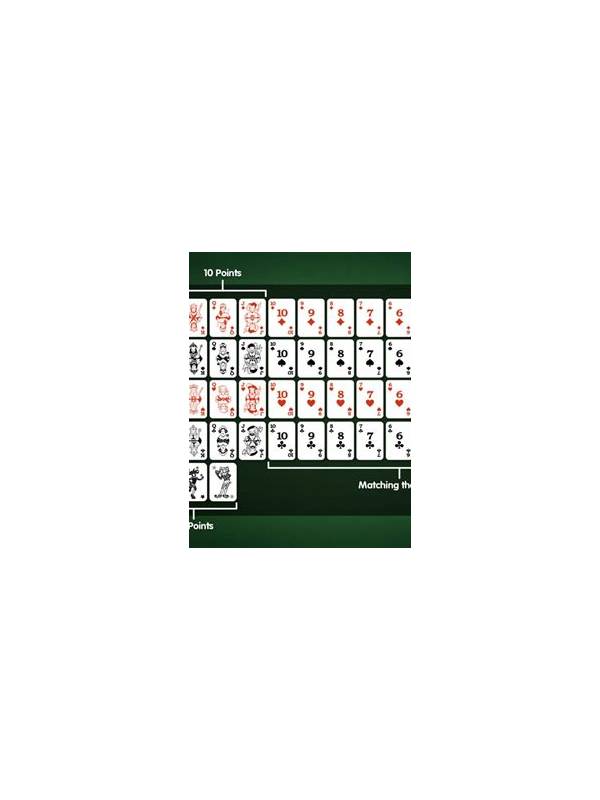
Sometimes two cards depend on one exact draw. Keeping them can produce a satisfying finish, but it can also trap space and points. The right answer depends on timing, the value of the completion, and the quality of your fallback.
First, identify the exact draw and its role. Does it complete a required sequence, or merely improve a secondary set? A card that solves a legal finishing condition deserves more attention than one that creates another attractive option. Then check whether both held cards are necessary. If one card has an independent route, the plan may be stronger than it looks; if both are useless without the exact draw, the risk is concentrated.
Estimate the cost of waiting one turn. Add the points you are carrying, the chance that an opponent finishes, and the cards you must sacrifice to keep the pair. Compare that with the benefit of completing the group. In the early phase, a narrow route may be reasonable when the cards are cheap and other options remain. Late in the round, a deadline should be strict.
Use a fallback test: if the exact draw does not arrive, can you discard one card and continue with a workable hand? If yes, holding may be justified. If no, decide how many turns you will allow before breaking the pair. Avoid changing the deadline simply because you have already invested turns; past waiting is not proof that the draw is due.
Two cards for one exact draw are a calculated commitment, not a promise. Keep them when the completion is important, the exposure is manageable, and the fallback is clear. Release them when the route is expensive, the requirement is already satisfied elsewhere, or a broader plan offers better control.
Also inspect the discard history before making the commitment. A card that would complete the pair may be less available than it appears, particularly if several matching cards are already visible. The history cannot tell you exactly what remains, but it can expose an optimistic assumption. When the evidence is incomplete, use the cheaper fallback and preserve the option to rebuild the hand.
Remember that an exact draw can arrive at any time, but probability does not compensate for unlimited waiting. Set the deadline before the next draw, then honor it unless the hand changes materially. A new confirmed group is a real change; simple impatience or hope is not. This distinction keeps a narrow route from becoming an automatic commitment.
Related Post
Rummy Plan Labels: Name Ideas So They Do Not Compete
Short labels make competing rummy hand plans visible and easier to compare. [...]
Rummy Comparison: One Strong Route Versus Several Weak Routes
One strong route often beats several weak routes when time, space, or card availability is [...]