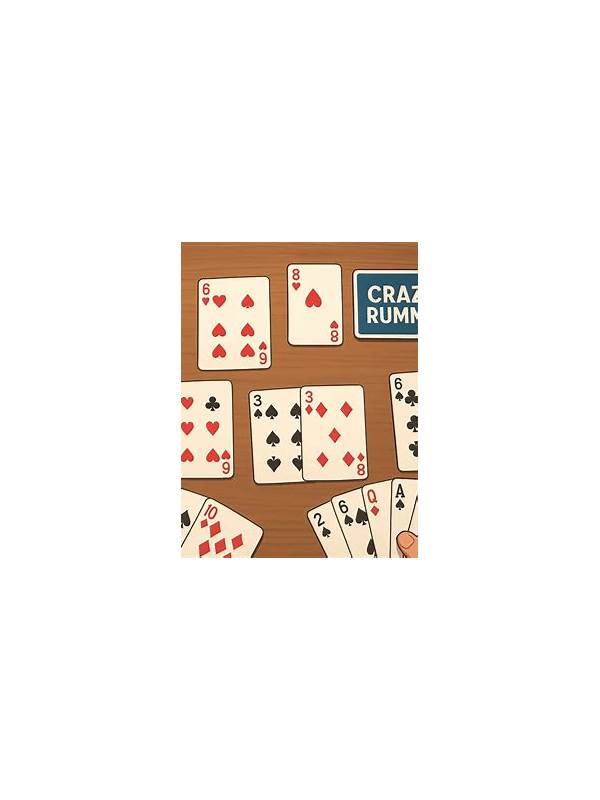
Rummy Tips: Use the Clock as a Focus Cue
An online rummy clock is part of the table environment, not a measure of your intelligence. Watching the seconds disappear can create rushed draws, careless discards, and accidental declarations. A better approach is to use the clock as a cue for a compact routine.
At the start of your turn, identify the decision in one sentence: “I need to improve my pure sequence,” or “I need to replace an isolated high card.” This prevents the entire hand from competing for attention. Sort the options by that goal, then compare the best two or three moves rather than every imaginable line.
Before discarding, perform a quick legality check. Ask whether the card is part of a confirmed group, whether it has several realistic uses, and whether keeping it protects a necessary requirement. If it fails all three checks, it is a strong discard candidate. If it passes one, compare it with the next candidate instead of reacting to the clock.
When the timer reaches its final portion, simplify. Choose the move that preserves a legal route and avoids a large avoidable penalty. Do not start a complicated re-sort or pursue a brand-new plan just because the original plan feels imperfect. A consistent fallback is more useful than a dramatic last-second calculation.
You can practice the routine away from live play. Deal a sample hand, set a generous timer, and say your one-sentence goal aloud. Gradually shorten the available time while keeping the same order: goal, structure, candidates, legality. If accuracy collapses, lengthen the timer again. Speed should grow from familiarity, not pressure.
If you repeatedly feel unable to decide before the clock expires, review the format, connection, and your session condition. A slow device or distracting environment may be the real cause. The healthiest clock strategy is a calm process that fits the table’s rules and your current attention. Do not let the clock make you skip a required rule check. If the format gives very little time, simplify your sorting before the turn arrives and keep a standard discard routine ready. You can also practice recognizing the table’s visual signals so that information is available at a glance. A clock is a constraint to plan around, not a reason to abandon basic care. Good preparation also includes closing unrelated apps and silencing nonessential alerts. Fewer interruptions leave more of the available clock for evaluating the hand. If you are already distracted, a later session may produce better practice than forcing speed today.
Related Post
Rummy Tips: Use a Stoplight System for Hand Review
A red, yellow, and green review system offers a quick way to classify the condition [...]
Rummy Tips: Notice When a Pair Is Consuming Too Much Space
A pair can be useful, but keeping it too long may block a stronger sequence [...]