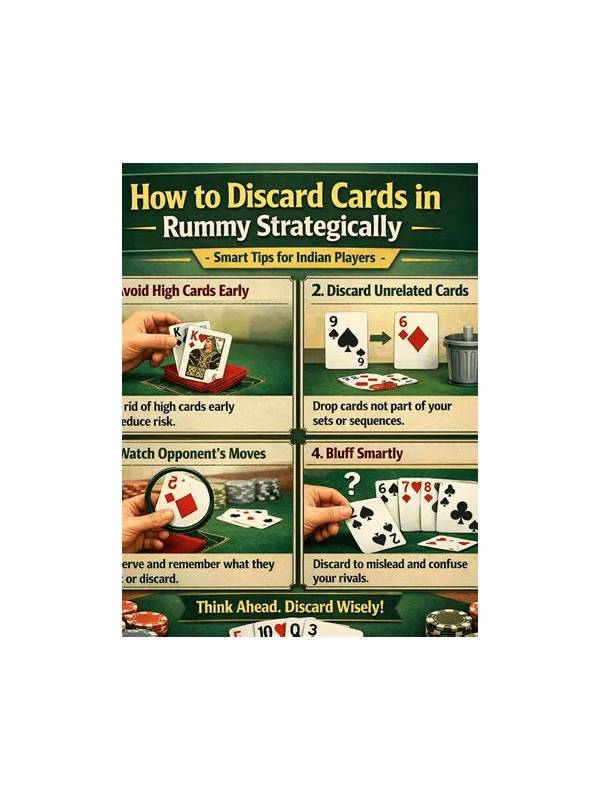
Rummy How-To: Build a Turn-by-Turn Discard Plan
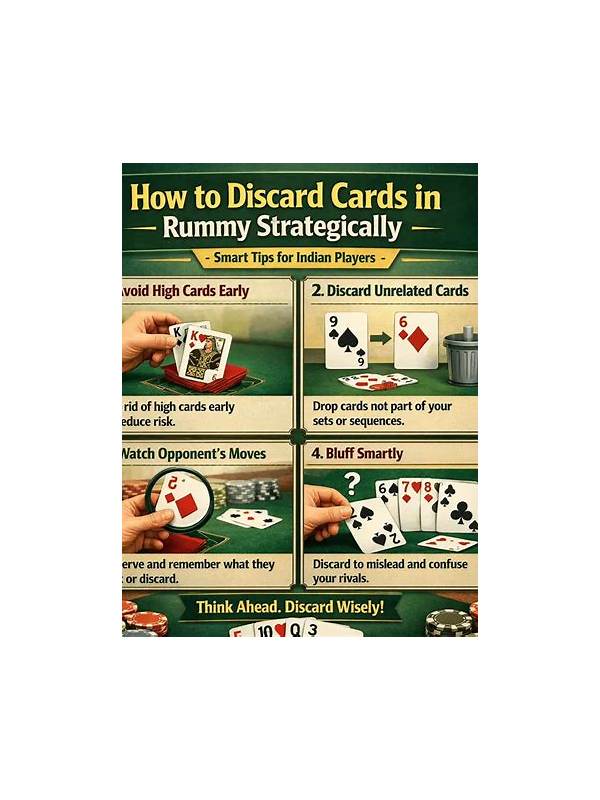
A discard plan does not mean deciding every move before the cards arrive. It means defining what you will inspect first, which cards are protected, and how you will recognize a stalled route. This reduces rushed choices when the timer is running.
Write down three priorities after arranging your opening hand. The first should be a rule-critical requirement, such as a pure sequence. The second should be the group with the widest useful connections. The third should be a cleanup target, usually a high singleton or a card that has no defined role. This order keeps legal structure ahead of cosmetic improvement.
At each turn, inspect the new card before looking for a discard. Does it complete a group, create a bridge, or merely duplicate an existing idea? Then review your priorities in order. If the card advances the first priority, protect it. If it only improves the third, ask whether another loose card is now a safer release. This sequence stops the newest card from hijacking the whole plan.
Use a two-step discard rule. First remove cards that are both expensive and disconnected. If no such card exists, remove the card tied to the narrowest unfinished plan. Keep a flexible connector only when it has multiple realistic destinations. “Flexible” should describe actual routes, not the fact that the rank sits near many cards in theory.
Add a review point after every few turns. Count completed legal groups, unresolved tasks, and cards with no current job. If the same plan has survived several reviews without gaining evidence, downgrade it. A plan can remain possible while no longer being the best use of space. Your discard priority should change when its value changes.
Keep a fallback rule for interruptions. If a connection fails, preserve the strongest completed structure, release the highest-risk leftover, and rebuild around the remaining bridge cards. This is more reliable than trying to recover every earlier idea. The fallback also helps after an opponent takes a card you hoped to draw.
The plan should finish with a declaration check. Confirm the required sequence, inspect every group, and count all cards. A beautiful discard sequence cannot rescue an illegal final arrangement. Practise by narrating your priority, review, and fallback in a free game. With repetition, the procedure becomes quick enough to use naturally while still protecting thoughtful decisions.
Related Post
Rummy How-To: Build a Compact Table-State Snapshot
A compact snapshot records the few table facts that matter without trying to memorize everything. [...]
Rummy Guide: Rank Plans by Number of Unresolved Tasks
Counting unresolved tasks offers a practical way to compare rummy hand shapes beyond simple group [...]