Rummy Safety: Avoid Screen Recording Sensitive Gameplay
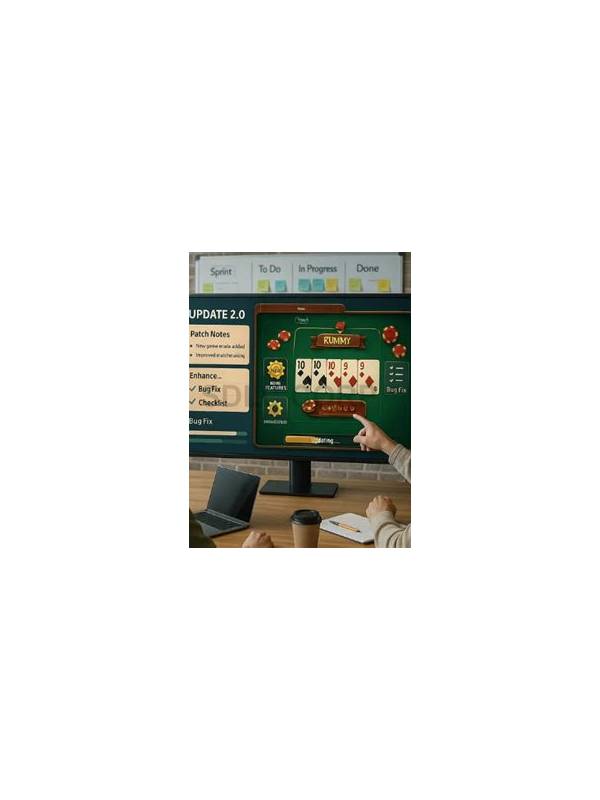
Screen recording can seem useful for studying a rummy decision, but a video may capture more than the cards. Usernames, balances, notifications, support messages, device identifiers, and other private details can appear briefly and be difficult to remove later. Consider whether a short written note is enough before recording a session.
If you need a visual record, prepare the device first. Close unrelated apps, silence message previews, and hide account balances when the interface allows it. Check the screen edges, notification shade, and recent-apps view. Do not record login steps, payment screens, verification documents, or support conversations. A practice hand with fictional or non-sensitive information is safer than a real-money session.
Review the recording immediately after stopping. Watch for names, profile pictures, transaction details, location hints, or private chat. Remember that pausing a video does not remove information already captured. If a clip is unnecessary, delete it using the device’s normal recoverable trash process and check synchronized folders or editing-app imports. Avoid uploading it to public services simply to move it between devices.
When sharing a clip with a trusted practice partner, use the smallest useful segment. Crop or blur identifying details before sending, and verify the recipient and destination. A private link is not automatically private forever; permissions can change, and recipients can download copies. Never include passwords, one-time codes, or payment credentials in a recording or message.
Written notes are often better for strategy review. Record the visible state, your intended plan, the action taken, and the question it raised. This preserves the reasoning without preserving an entire account context. If you do use video, label it with a neutral session name rather than personal information and set a deletion date.
Safety also includes attention. Recording can tempt you to replay a frustrating hand repeatedly or continue playing for more footage. Keep the original session boundary, spending limit, and break routine. A recording is only a learning aid; it should never pressure you to expose data or extend play.
Related Post
Rummy Comparison: Planned Draws Versus Opportunistic Draws
Compare deliberate drawing plans with flexible reactions to choose cards more consistently. [...]
Rummy Practice: Solve a Hand With a Fixed Draw Budget
A fixed draw budget teaches players to evaluate plans by the number of turns they [...]