Rummy Guide: Build a Rule-Change Diff Note
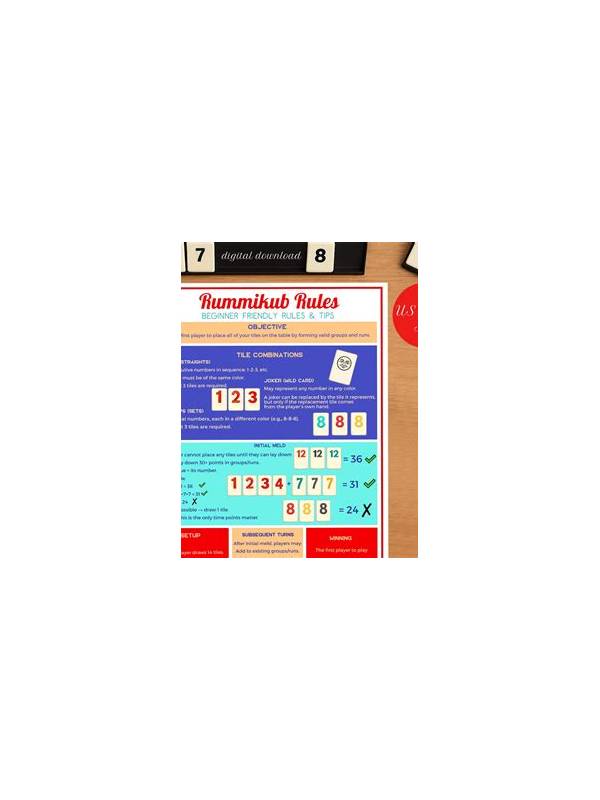
When you move between rummy formats, familiar habits can create mistakes. Instead of rereading every rule repeatedly, build a rule-change diff note: a compact list of what is different from the format you already know. The note is a memory aid, not an authority. Confirm the current table rules whenever the app or organizer provides them.
Start with the shared basics. Write the parts that remain familiar, such as the normal turn sequence or the general goal, then list the differences under clear headings. Useful headings include deck and hand size, wild-card treatment, required sequences, declaration conditions, scoring, timeout behavior, and what happens after a disconnect. Keep each item to one sentence.
Use examples for rules that are easy to confuse. A note might say, “A printed joker is treated differently from a wild joker in this format,” followed by a legal example if the official rules provide one. Avoid inventing exceptions. If a point is unclear, mark it “verify” and do not rely on memory at a live table.
Read the diff before the first deal, not after a mistake. During a practice hand, test one difference at a time. After the hand, update the note only when you have evidence from the official rules or a clearly documented table instruction. Do not copy advice from another platform just because the game has the same name.
Keep versions separate. Add the format name, date checked, and source label without storing account data. If an app updates its rules, make a new dated note or visibly mark the changed line. This prevents an old reminder from silently overriding a newer rule. A short note is easier to audit than a long paragraph mixing several formats.
The note also improves reviews. If a decision looked strange, check whether a rule difference caused it before judging the strategy. You may discover that the play was reasonable under one format but illegal under another. That distinction saves practice time and keeps feedback precise. The best rule note is boring, specific, and easy to consult under normal playing conditions.
Related Post
Rummy How-To: Reset Your Plan After a Major Draw
A structured reset helps you avoid carrying an outdated plan after a card changes the [...]
Rummy FAQ: Can a Joker Solve Every Sequence Problem?
This FAQ explains why a joker is flexible but still subject to rules, timing, and [...]