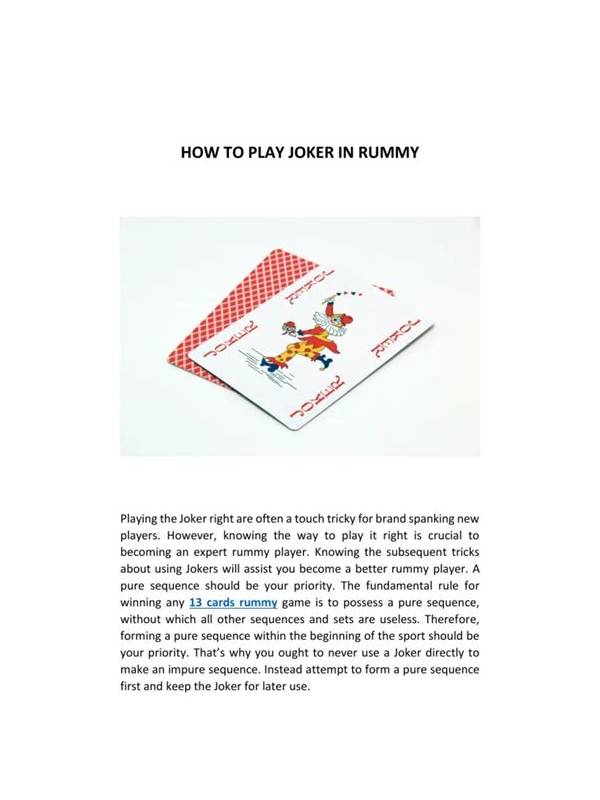
Rummy Comparison: Manual Notes Versus Memory at a Mobile Table
What memory does well
Memory keeps the game flowing. You can notice a recent discard, recall your main route, and avoid interrupting a short session with extra tools. For a simple hand and a quiet environment, remembering a few relevant facts may be enough. Memory also helps you recognize patterns over time, such as repeatedly abandoning a plan too early.
Where memory becomes unreliable
Several turns, distractions, and similar-looking cards can blur the sequence of events. Players often remember a prediction as though it were a confirmed observation. Emotional moments can also make one dramatic discard seem more important than the ordinary turns around it. If you are trying to track several routes or review a decision afterward, memory alone may leave gaps.
What manual notes add
Brief notes preserve selected facts: a useful discard, a visible pickup, a point card released, or the reason for a major change of plan. They make post-hand review more precise and can reveal habits that memory smooths over. Notes should never include private account credentials or sensitive payment information. Keep them general and secure.
Compare the costs
Writing everything is distracting and may slow your decisions. Writing nothing is convenient but limits later learning. A practical middle ground is one line after an important turn, using neutral language such as “kept connector; released isolated high card.” If note-taking makes you miss actions or feel pressured, stop using it during live play and review completed hands instead.
Pick the method for the purpose
Test one method at a time
Keep notes short enough to preserve the rhythm of play. A few accurate observations are more valuable than a detailed transcript written while your attention is divided. Review the method after several hands, when the comparison has enough evidence to be useful.
For a fair comparison, use memory for one small set of practice hands and brief notes for another, while keeping format and session length similar. Compare attention, decision speed, and review quality rather than only wins. If notes improve review but distract during live turns, move them to after the hand. The method should fit the purpose and the player, not a universal rule.
Use memory for casual play and notes for deliberate practice. You can also combine them: remember the current plan, then record only a decision that felt difficult. The best method is the one that preserves attention, follows the table’s rules, and helps you make calmer choices. A notebook is a learning aid, not a requirement for playing well.
Related Post
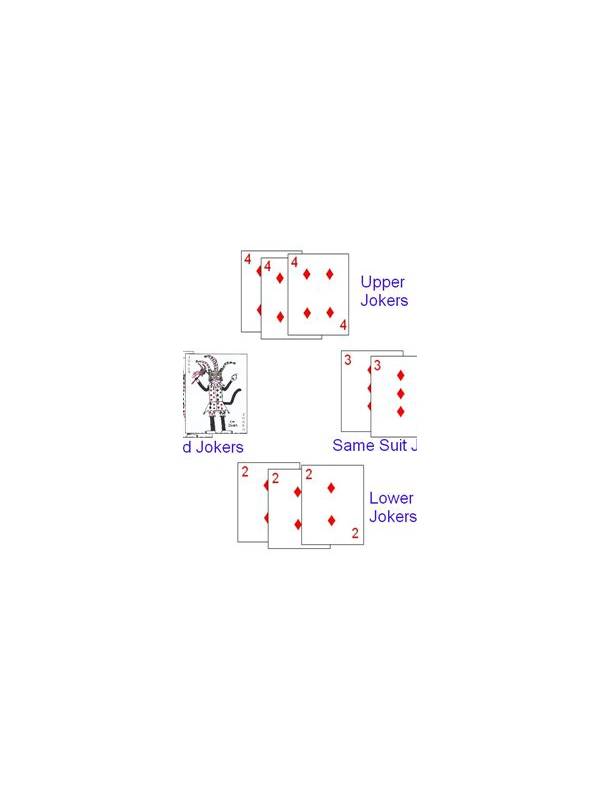
Rummy Comparison: Printed Jokers Versus Wild Jokers
Printed and wild jokers can both fill gaps, but their value depends on rules, timing, [...]
Rummy Strategy: Choose a Default Discard Under Pressure
A default discard rule can reduce panic, provided it remains a starting point rather than [...]