Rummy Comparison: Printed Jokers Versus Wild Jokers
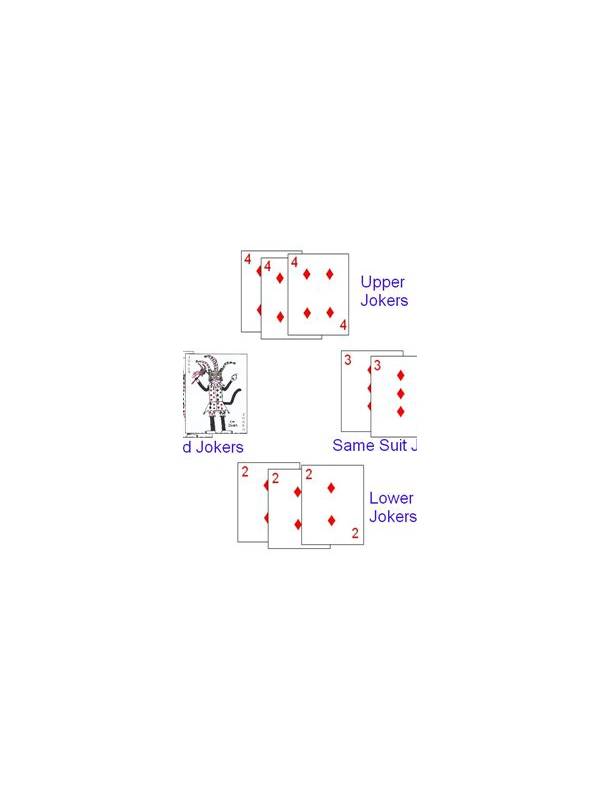
A printed joker and a designated wild card may perform similar jobs while creating different planning questions. Before comparing their value, confirm the table’s exact rules. Some formats allow a joker in any group, some restrict its use in sequences, and some provide a way to replace it. A strategic conclusion based on the wrong rule is worse than no conclusion.
The printed joker is usually easy to identify and may be treated as a scarce, high-flexibility resource. Its value is highest when it completes a group that would otherwise need multiple precise cards. Yet using it too early can conceal whether the surrounding cards have a stable future. A joker that makes a beautiful group may be less useful than one held for a difficult endgame gap.
Wild jokers depend more heavily on the deck and the distribution of ranks. Their value can change when natural copies appear, when a sequence becomes crowded, or when a rule permits substitution. A wild card may keep several plans alive, but that flexibility can encourage a player to postpone commitment indefinitely. Label it as a resource with an opportunity cost, not as a free solution.
When choosing between them, compare the groups each joker would support and the cards you would discard after using it. Ask whether the resulting arrangement is legal, whether it leaves a vulnerable high card, and whether the joker could be replaced later. Also consider information: placing a joker in a visible meld may communicate less than exposing a natural middle card, depending on the format.
Neither joker type is universally superior. Their practical value comes from the number of unresolved tasks they remove and the alternatives they preserve. Keep a simple note of when a joker genuinely changed your route. Over time, that record will reveal whether you tend to spend flexible cards too early or protect them after their best opportunity has passed.
When comparing formats, include replacement rules in the experiment. Play several practice hands with similar opening shapes and note whether the joker was used to complete a group, held for defense, or replaced by a natural card. Do not infer too much from one lucky draw. A joker’s apparent power is affected by deck size, player count, and how many natural cards remain. The useful comparison is which joker gives the most reliable route at this moment.
Record the rule variant beside the result so the comparison remains meaningful months later.
Related Post
Rummy FAQ: Should You Draw From the Discard Area?
Decide whether a visible discard improves your plan enough to justify revealing interest. [...]
Rummy Guide: Build an Endgame Checklist Before You Need It
An endgame checklist helps you verify legality, reduce loose cards, and avoid a rushed declaration. [...]