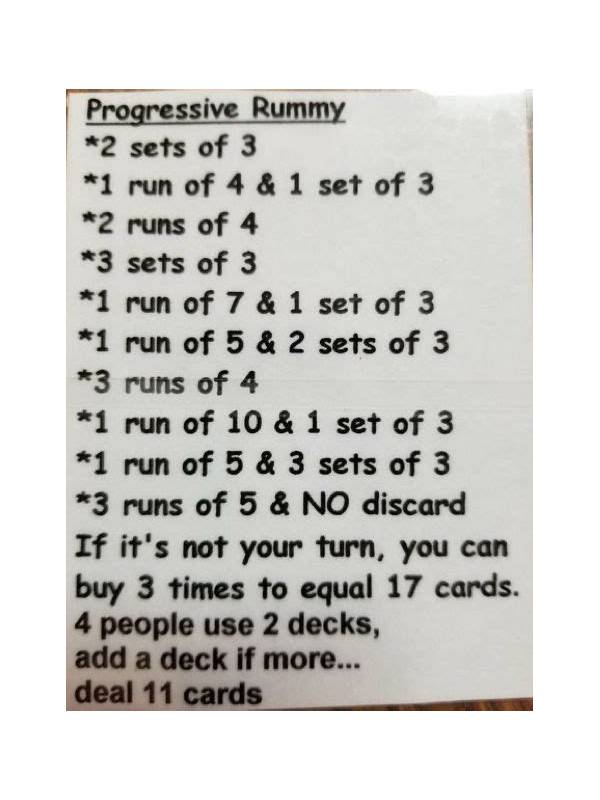
Rummy How-To: Build a Better Mid-Hand Sorting Routine
Sorting is most useful when it answers a question. At the start of a hand, you may sort by suit to find runs and by rank to find sets. In the middle, the question is different: which cards still have a job, and which ones are surviving only because you have not reviewed them? A brief mid-hand routine can answer that question in less than a minute.
Begin by placing confirmed groups together and leaving a small gap before unconfirmed cards. This physical separation matters because it prevents a promising pair from looking as settled as a legal group. If the platform offers fixed sorting, use visual markers or mental labels to maintain the distinction.
For each unconfirmed card, say one of three labels: active, conditional, or stranded. Active cards already support a realistic group with more than one route. Conditional cards are useful only if a named draw arrives soon. Stranded cards have no credible current connection or carry a penalty that the hand cannot justify. Keep the labels temporary; a new draw can change them.
Now inspect conditional cards as a set. If three cards all depend on different exact draws, keeping all three may be too costly. Choose the conditional card with the best fallback and mark the others for release. If two cards depend on the same draw, remember that they do not represent two independent chances. This small distinction often exposes hidden concentration of risk.
Finish by identifying one next action. It could be taking a visible card, discarding the clearest stranded card, or holding one conditional card for a single turn. Do not create a long sequence of hypothetical moves. The routine should improve the next choice, not replace play with analysis.
Use the routine at a natural pause, such as after a new group forms or when the discard pile changes noticeably. Re-sorting after every card can slow you down and increase anxiety. After the hand, note which label changed first and why. Over time, you will learn whether your main difficulty is recognizing deadwood, abandoning narrow plans, or protecting groups that were never confirmed. A focused sorting routine makes those patterns easier to see.
Keep the routine separate from any score or money decision. Its purpose is organization, not a reason to continue a tiring session. If concentration is fading, finish the current safe action and stop. A clear review made tomorrow can teach more than a hurried sort made while distracted.
Related Post
Rummy Tips: Use a Two-Column Discard Test
A two-column discard test balances what a rummy card contributes against what it costs to [...]
Rummy Safety: Handle Disputes With a Fact Timeline
A factual timeline helps resolve table disputes without sharing unnecessary personal information or escalating the [...]