Rummy Guide: Use a Clock Check at Three Points in Every Hand
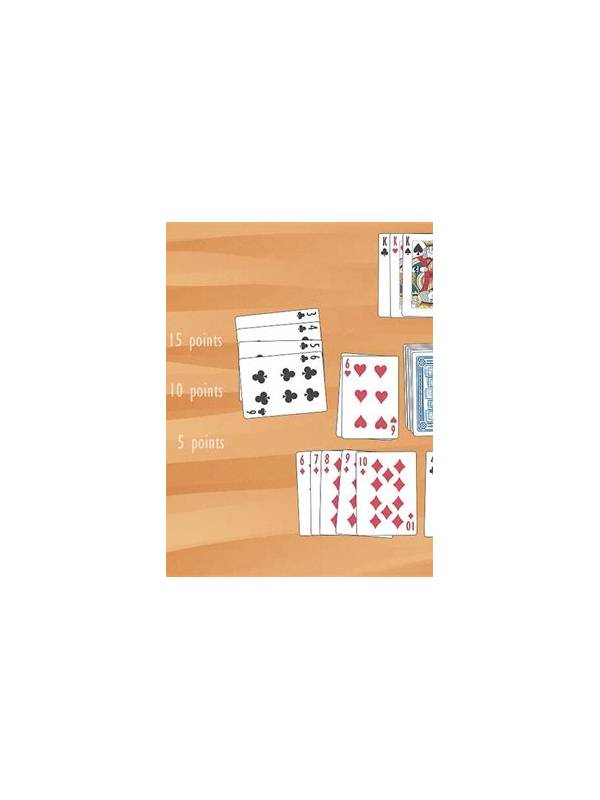
Time pressure affects rummy decisions in two opposite ways. A player may rush a simple discard because the timer is visible, or spend too long exploring possibilities and then act without a final check. A clock check at three deliberate points creates a small structure for attention. It is not a promise to use every second; it is a way to notice when the value of more thought has changed.
Make the first check early, after the opening turns have supplied some information. Look at the remaining time, the shape of your hand, and whether your original plan still has support. If the plan depends on several cards that have not appeared, mark it as provisional. If a required group is already secure, shift attention to the unresolved cards. This early check prevents an opening guess from becoming an automatic commitment.
Make the second check when a meaningful event changes the position. Examples include drawing a joker, seeing a key card discarded, completing a pure sequence, or discovering that a planned card is no longer useful. Ask whether the new information changes the next action or only changes your long-term preference. Not every event requires a complete rebuild. The check is there to separate a real change from the excitement of a noticeable card.
Make the final check immediately before a declaration or an unusually costly discard. Confirm the required groups, inspect the leftover points, and verify that the selected card is actually the one you intend to move. If the timer is low, use a fixed order: legality first, action second, confirmation third. A short checklist is more reliable than trying to remember every possibility while watching the clock.
The clock check should be brief. Give it a name and use the same questions each time: What is my plan? What changed? What is the next safe action? If the answer is unclear, choose the move that preserves a reasonable fallback rather than inventing a complicated line under pressure. In a practice room, measure whether the routine reduces hurried errors without making you miss ordinary turns.
After the hand, note which check mattered. Perhaps the early review would have exposed a narrow draw, or the final review caught an invalid arrangement. This feedback lets you adjust the routine to your own pattern. The clock is not an opponent to defeat. It is information about the cost of delay, and three intentional glances can help turn that information into calmer, more accurate choices.
Related Post

Rummy FAQ: Why Can a Safe Discard Still Be Unhelpful?
A discard can reduce your immediate risk yet still give up flexibility or useful information. [...]
Rummy FAQ: Why Do Unfinished Groups Compete?
Unfinished groups compete when they depend on overlapping cards, shared hand space, or the same [...]