Rummy Comparison: Practice Notes Versus Memory
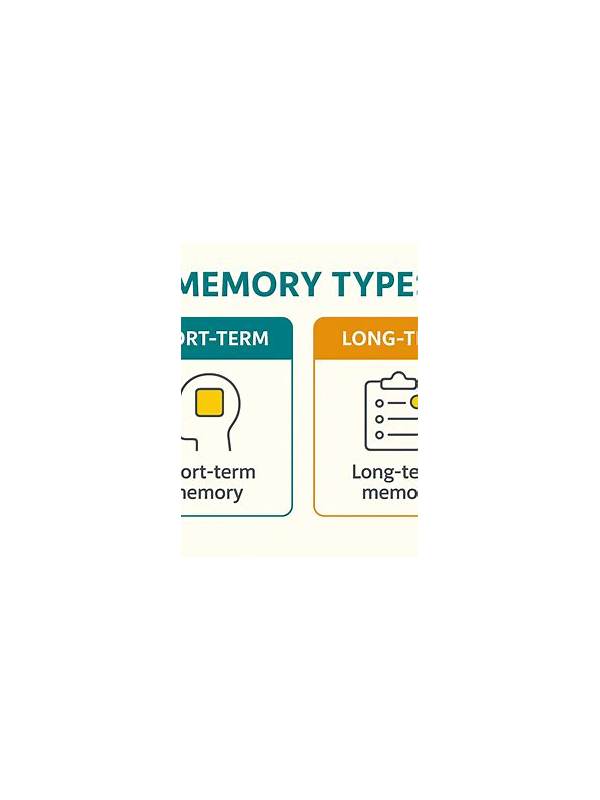
Memory is convenient after a rummy round, but it tends to preserve dramatic outcomes rather than ordinary decisions. A written note can capture what you actually saw, why you chose a discard, and what you would test next time. Comparing the two methods helps you use memory for context while relying on notes for accurate improvement.
Memory works well for broad impressions. You may remember that a hand became crowded, that the table pace felt uncomfortable, or that a rule was unclear. These impressions can identify a topic for practice. Their weakness is hindsight. Once the result is known, a draw can seem obvious and a discard can seem foolish even when the original evidence was limited.
Notes work best when they are brief and neutral. Record the hand stage, the candidates you compared, and the reason for the choice. For example: “Middle turn; held connector over high single because it preserved two sequence routes.” Do not write a long narrative after every hand. One or two useful observations are easier to revisit than a diary full of repeated outcome descriptions.
A hybrid method is often strongest. Immediately after a round, write the decision that remains clearest in your memory. Later, compare that note with the actual cards or replay if the platform provides one. Mark the difference between what you observed and what you inferred. This shows where memory added a story that was not supported by the visible information.
Which details deserve recording? Track recurring process measures: whether you checked the rules, how often you kept a narrow draw beyond its deadline, whether you identified two discard candidates, and whether a declaration check caught an error. Avoid collecting private account data or information about other players that you do not need. Practice notes should improve decisions without creating a privacy problem.
Review notes weekly rather than after every emotional result. Look for one pattern, such as overvaluing pairs or delaying high-card discards. Turn that pattern into a focused drill. Then stop reviewing and play only within your chosen limits. Notes are a learning tool, not a reason to extend a session.
Memory supplies the feeling of the round; notes supply a testable record. Used together, they help you improve the quality of decisions rather than simply chase the latest win or explain the latest loss.
Keep the record private and practical. A useful note should help you make one future decision differently. If it cannot suggest a drill, a rule check, or a clearer question, leave it out. This keeps review sustainable and prevents the search for perfect explanations from becoming another reason to extend play beyond your planned time.
Related Post
Rummy How-To: Reorder Your Hand Without Losing Track
A consistent sorting routine makes changing rummy groups easier to see and less likely to [...]
Rummy FAQ: Why Do Boundaries Matter in a Run?
Rank boundaries can change a promising rummy sequence into a dead end, so check them [...]