Rummy Guide: Treat the First Discard as Information
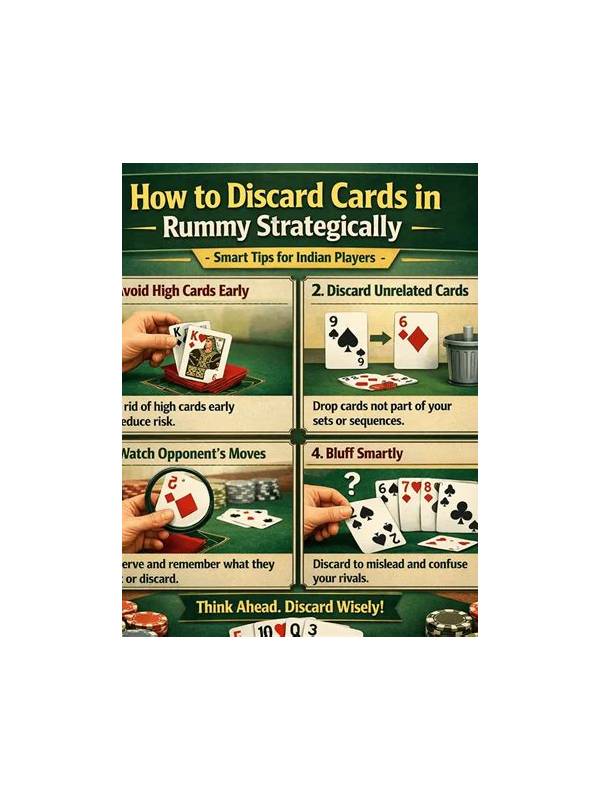
Do not read too much into silence after the discard. An opponent may ignore a card because it is not useful, because taking it would reveal a plan, or because the platform does not offer that choice. Use actions as modest clues. Your own opening standard should remain based mainly on the cards and requirements you can verify, not on a story about what everyone else must hold.
The first discard does more than remove one card. It records what you did not value enough to keep and may give opponents information about your starting hand. Treating it as information helps you make later decisions consistently. The aim is not to make the perfect opening move, but to create a sensible baseline.
Begin by identifying cards with no credible connection. A lone high card may be an obvious candidate because it carries penalty without supporting a group. A low card can also be isolated, but its value may be lower and its connectors may be more numerous than they appear. Examine suit adjacency and duplicate ranks before choosing.
Avoid discarding a card solely because it is not part of your favorite plan. A flexible middle card can support several routes, and releasing it may reveal that your plan depended on too little evidence. If two cards are similarly isolated, compare their penalty, number of possible connectors, and likelihood of being useful to an opponent.
Once the discard is made, note what it teaches you. If another player immediately takes it, that is a small clue about what kinds of cards they may be collecting. It is not proof of a complete hand, so avoid building a detailed story from one action. If nobody takes it, that still does not prove it was safe; players may be pursuing hidden routes.
Use the discard as a reference point for the next few turns. Ask whether the hand improved because you released the right type of card or because a lucky draw arrived. This distinction matters during review. A good baseline should remain defensible even when the next card is unhelpful.
The first discard also helps control tempo. Decide in advance how long you will keep a narrow plan before reconsidering it. If the opening choice was based on a guess, set a shorter review window. If it preserved a strong pure sequence and several flexible cards, you may allow more time.
By treating the first discard as a measured observation, you reduce impulsive openings and create a clearer history of the hand. Each later discard can then be compared with the original priorities instead of being made in isolation.
Related Post
Rummy How-To: Prepare a Quick Endgame Checklist
A short endgame checklist helps players focus on legality, card coverage, and execution when a [...]
Rummy Comparison: Planned Discards Versus Reactive Discards
Planned and reactive discards serve different situations, and understanding the difference improves hand control. [...]