Rummy FAQ: How Does Tempo Affect a Good Hand?
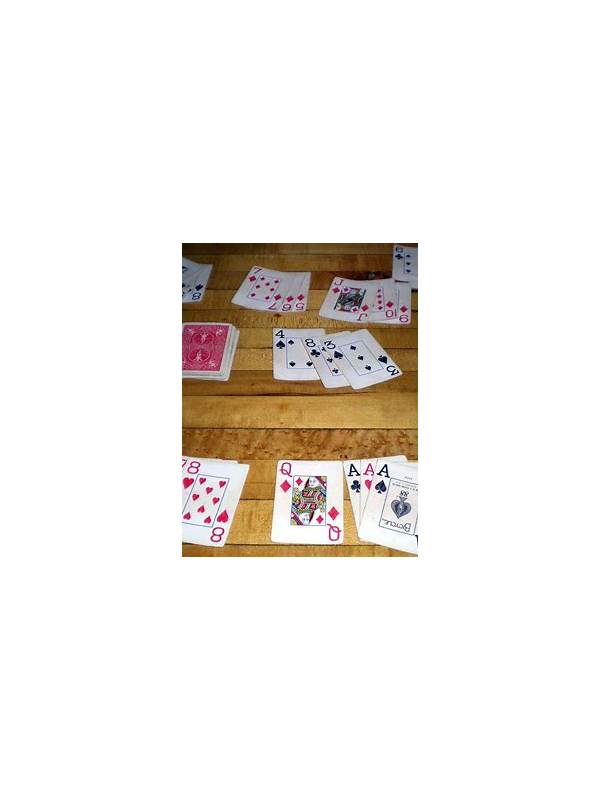
Tempo is the pace at which cards are drawn, discarded, and organized around the table. It does not change the rules of rummy, but it changes how much time you have to test a plan. A strong hand can become difficult when the table moves quickly, while a modest hand may improve when decisions are calm and consistent.
At a fast table, reduce the number of live possibilities you are tracking. Sort cards into likely sequences, likely sets, and uncertain cards. Choose one primary plan and one fallback. This does not mean ignoring new information; it means deciding in advance what kind of information would make you switch. Without that boundary, speed creates repeated reorganization and missed legal details.
At a slower table, use the extra time for verification rather than overthinking. Check whether a proposed sequence is pure when purity is required, whether a joker is being counted correctly, and whether your discard leaves an expensive loose card. Time is most useful when it prevents an avoidable error. It is less useful when it only encourages you to search for a perfect line that cannot be guaranteed.
Tempo also affects how much attention you can give to opponents. In a fast round, focus on reliable signals such as cards repeatedly avoided or taken from the discard pile. In a slow round, you may notice more, but remember that a single action is ambiguous. Your own hand still deserves priority.
A good hand under pressure should have a clear checkpoint. After each draw, ask three questions: What changed? What is my highest-value unresolved card? What must be true before I declare? These questions take less time than rebuilding the entire hand and protect you from acting on the previous turn’s plan.
If the pace causes physical tension, rushed clicks, or repeated rule mistakes, pause between hands. A table’s tempo is not a test of personal worth. Select a slower format or practice mode when available, and never increase financial exposure simply to keep up.
Tempo is therefore a planning variable. Match your sorting method, attention level, and review habit to the speed of play. The aim is not to make every decision instantly. It is to make legal, understandable decisions before the clock makes them for you.
If the pace changes suddenly, reset your process rather than copying the previous rhythm. Take one breath, confirm whose turn it is, and use the same three-question checkpoint. Consistency protects decision quality when a table becomes faster or when a connection delay makes actions appear out of order.
Related Post
Rummy Practice Drills for Improving Card Grouping
Rummy Practice Drills for Improving Card Grouping offers practical guidance for clearer, safer, and more [...]
Rummy FAQ: What Should You Check Before a Cash Withdrawal?
A pre-withdrawal checklist covers identity, limits, fees, and account security without promising a particular processing [...]