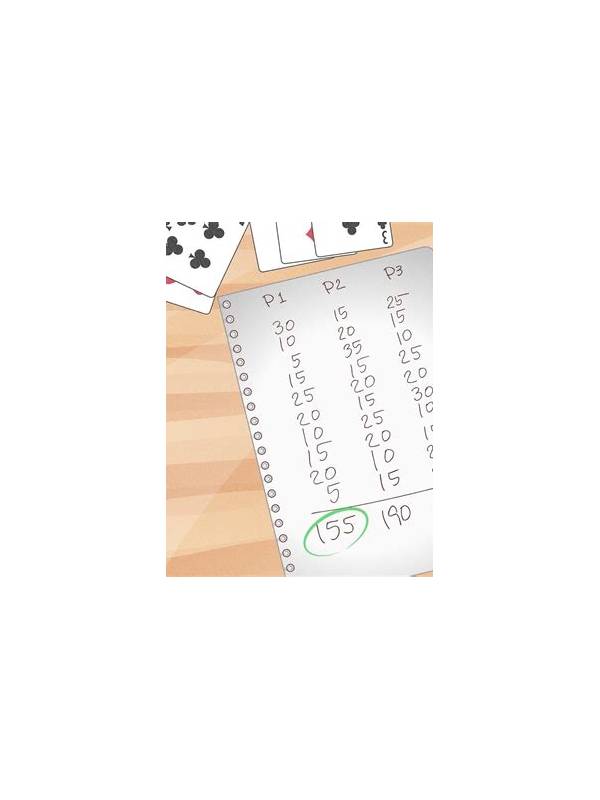
Rummy Tips: Count Unresolved Cards Before Chasing a Pattern
An attractive pair or sequence can make a rummy hand feel closer to completion than it really is. Counting unresolved cards provides a quick reality check. An unresolved card is one that is not part of a completed group and has no dependable next job.
Lay out the hand conceptually in three sections: protected groups, active candidates, and loose cards. Protected groups already satisfy the relevant rule. Active candidates have a plausible partner or extension. Everything else is unresolved. The exact count is less important than noticing whether the loose section is shrinking or growing.
When a draw creates a new possibility, do not count the possibility as a completed group. Ask what card is needed and whether there are multiple ways to reach the same result. A pair that needs one of several matching ranks is generally broader than a sequence that needs one exact connector. This distinction keeps optimism tied to structure.
Use the count to guide discards. If two plans leave the same number of cards unresolved, prefer the plan with more flexible exits or lower point exposure. If one plan leaves many loose cards but looks elegant, test whether its next improvement is realistic. A simple, imperfect arrangement may be healthier for the hand.
Recount after a meaningful event, such as drawing a useful rank, seeing a key card discarded, or deciding to break a pair. Recounting after every action can slow you down and encourage overanalysis. The purpose is to detect a change in hand quality, not to create a new ritual for every turn.
Do not confuse unresolved with worthless. A loose card may become useful later, and a protected group may need to be reconsidered if the rules require another structure. Keep the labels provisional and update them when evidence changes.
This count is also valuable in review. Compare the number of unresolved cards at the opening, midpoint, and final decision. If the number stayed high because you protected too many narrow hopes, your next practice session can focus on release timing.
Counting unresolved cards turns a vague feeling of progress into a visible question: how much of the hand has a job? Use the answer with points, rules, and deadlines to choose a practical next move.
The count is most useful as a trend. If it falls after sensible draws, keep the plan. If it remains unchanged while expensive cards accumulate, set a release condition. This small measurement can reveal stagnation before the final turns make the problem obvious.
Related Post

Rummy Comparison: Hold a Pair or Protect a Connector?
Compare two common hand-building choices by flexibility, completion speed, and the cost of missing. [...]
Rummy Privacy Safety: Limit What Notifications Reveal
Small notification settings can reduce the chance that account activity and personal details appear on [...]