Rummy FAQ: What Is a Repair Card?

A repair card is a card that restores a realistic route after a hand has developed a gap, duplication, or awkward high-point remainder. It may not be the card you wanted at the start, but it reduces the cost of the current position. Thinking in terms of repair helps you adapt without treating every change as a failure.
For example, a card may connect two otherwise separate cards, turn a pair into a usable set, or allow you to release an expensive single. The card’s value comes from the improvement it creates across the hand, not just from its face value. A low card is not a repair card if it has no route; a high card can be one if it completes a strong group immediately.
When a repair card arrives, check whether it solves the real problem. Does it remove a bottleneck, lower penalty, or open a group that can finish within the remaining turns? If it merely makes one pair look nicer while leaving several loose cards untouched, its repair value may be small.
Repair cards are especially important after a narrow draw fails. Instead of continuing to wait for the original out, reassess the whole hand and look for the cheapest stable structure. Keep a repair card only when you can explain its job and its likely exit. Otherwise it can become another attractive card that delays a necessary discard.
A useful review question is: “What did this card repair?” If you cannot answer clearly, the card may be a hope rather than a tool. This distinction keeps adaptation practical and makes your post-game notes more useful than simply recording whether the desired card eventually appeared. A repair card may also change the order in which you evaluate the hand. Once one damaged group is stable, turn attention to the next constraint instead of continuing to improve the repaired group. This prevents local improvement from hiding a larger problem. If the repair creates a legal group, confirm it under the exact variant rules and then reassess the remaining loose cards from the beginning. A repaired hand should feel more explainable, not merely more attractive. If you cannot state what improved, keep searching for a simpler arrangement or prepare to discard the repair card. Explanation is a useful test of practical value.
Related Post
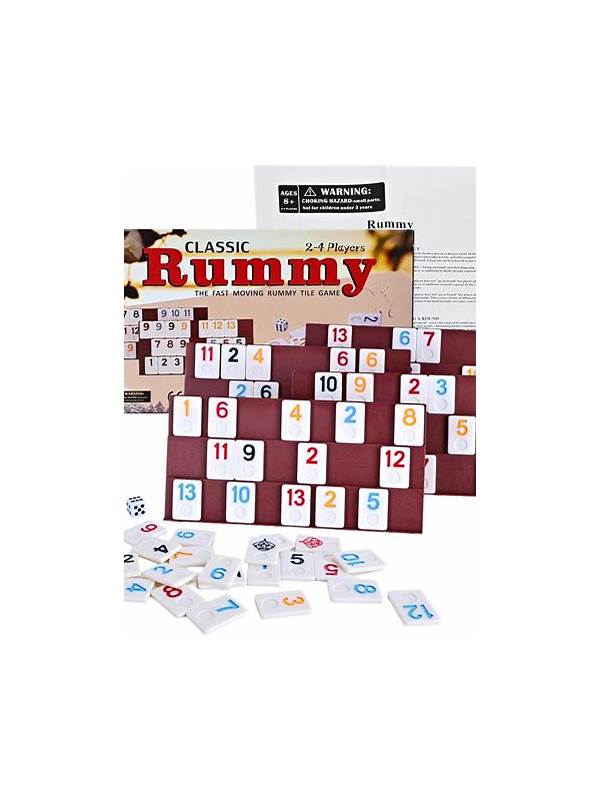
Rummy Guide: Read the Table Layout Before Your First Move
A quick visual tour can prevent avoidable mistakes when a rummy table is unfamiliar. [...]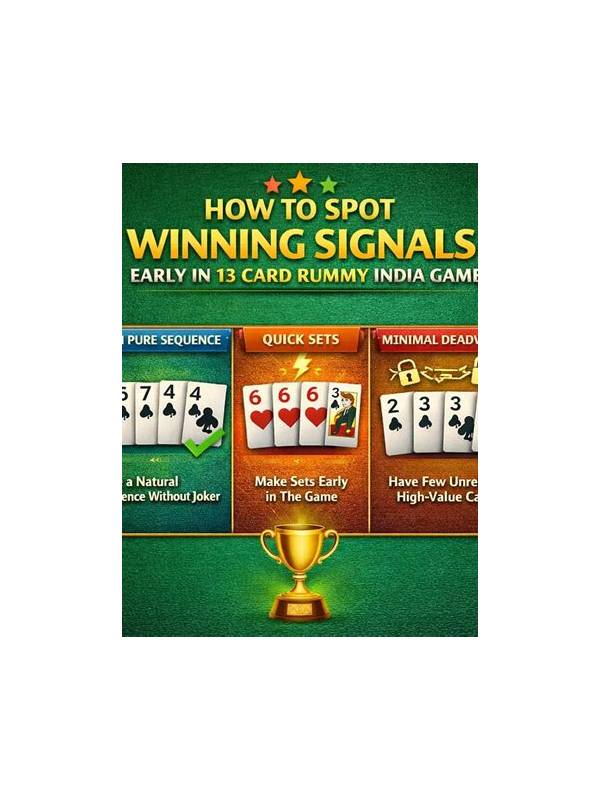
Rummy Strategy: Read Pickup Signals Without Overreading Them
Learn how to use another player’s pickup as one clue while keeping your own hand [...]