Rummy How-To: Make a Card-Connection Map
A card-connection map is a simple way to inspect a rummy hand without committing to a final grouping. You do not need a diagram or special software. On a physical table, place cards in rough clusters. On a digital table, mentally mark the same relationships before moving cards into final groups.
Start by listing direct connections. Cards of the same suit that are adjacent or separated by one rank receive a line in your mental map. Matching ranks in different suits receive another kind of line because they may support a set. Do not count a vague relationship such as “these are all middle cards” as a connection. A connection should point toward a legal group under the table rules.
Now mark cards with more than one line. These are flexible cards, but flexibility is not the same as certainty. A card that can join either of two sequences may be valuable, especially when you have not seen enough information to choose. Mark cards with no lines separately. They are candidates for a closer release review, particularly if they carry a high point value.
Next, inspect crowded clusters. A group of four or five related cards may contain overlapping plans that compete for the same card. For example, one connector cannot complete two separate sequences at once. Record the overlap so you do not count the same missing card twice when estimating progress.
Finally, choose a working path and one backup path. The map is successful if it makes those paths visible and identifies the cards that do not belong to either. Update it after a draw or a revealing discard. Avoid rebuilding the entire map every turn; change only the relationships affected by new information.
The exercise is especially useful in practice sessions. Review the map afterward and ask whether your chosen path had more support than the alternatives. Over time, you will become faster at recognizing genuine flexibility and less likely to confuse a crowded hand with a strong one. The map is also useful when the interface sorts cards automatically. Automatic sorting improves visibility, but it can hide overlaps by placing cards into neat rows. Recreate the important connections deliberately before accepting the visual groups. A tidy display is a presentation feature; the map is a decision aid. Use the idea as a prompt for comparison, not as a rigid rule. The cards, table rules, and timing still matter. If the next piece of information changes the balance, update the plan calmly and keep the explanation simple.
Related Post
Rummy How-To: Prepare a Clear Table View Before Playing
A clear visual layout reduces avoidable errors when sorting and comparing cards on a small [...]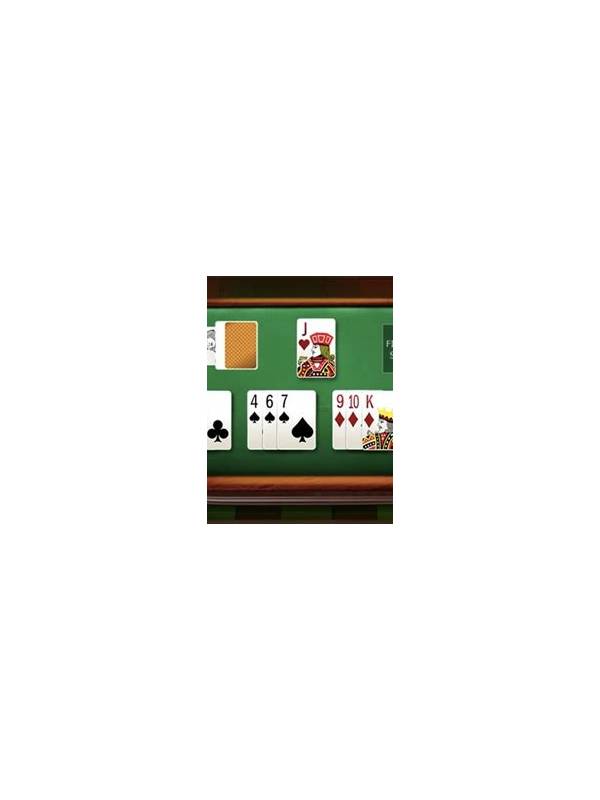
Rummy FAQ: How Can Beginners Tell If a Plan Is Too Narrow?
Recognize narrow rummy plans early by checking their number of realistic improvements and exit routes. [...]