Rummy How-To: Create a Clean End-of-Session Review

An end-of-session review should help you learn while preserving a clear boundary between playing and analyzing. It does not need every card from every round. Ten calm minutes and a few consistent questions are enough to identify patterns that deserve practice.
Begin with facts. Record how many rounds you played, how long the session lasted, and whether you stayed within the time and spending limits set beforehand. Keep financial records private and use only the information needed for your own review. Do not copy account numbers, payment details, or other sensitive data into a practice note.
Choose two decisions to examine rather than reviewing every turn. For each, write the hand situation, the options you noticed, the choice you made, and what evidence was available at the time. Then add the result separately. A successful result does not prove the decision was best, and an unsuccessful result does not prove it was unreasonable.
Look for a repeatable pattern. Did you wait too long on narrow groups? Did you discard without checking what your remaining hand needed? Did a faster table pace make you skip a legality check? Patterns are more useful than dramatic individual outcomes because they suggest a specific drill or boundary.
End with one adjustment for the next session. It might be a two-draw review trigger, a slower opening routine, or a decision to stop when concentration drops. Keep the adjustment small enough to remember. Avoid adding a long list that makes the next session feel like a test.
Close the review by ending the session in practice, not only on paper: leave the table, take a break, and avoid reopening play to “test” the lesson immediately. Learning improves when analysis and action have some separation. A clean review turns a round into information while protecting your time, privacy, and future choices. If the session was difficult, make the review smaller rather than harsher. Record one decision and one boundary, then stop. A useful review should leave you with a specific experiment for next time, not a demand to replay every mistake. Consistency over several sessions produces better evidence than an exhausting review of one result. Use the idea as a prompt for comparison, not as a rigid rule. The cards, table rules, and timing still matter. If the next piece of information changes the balance, update the plan calmly and keep the explanation simple. A practical review can be brief: name the strongest evidence, name the main risk, and decide what would change your mind. This keeps the method usable during a real session and makes later practice notes easier to compare.
Related Post
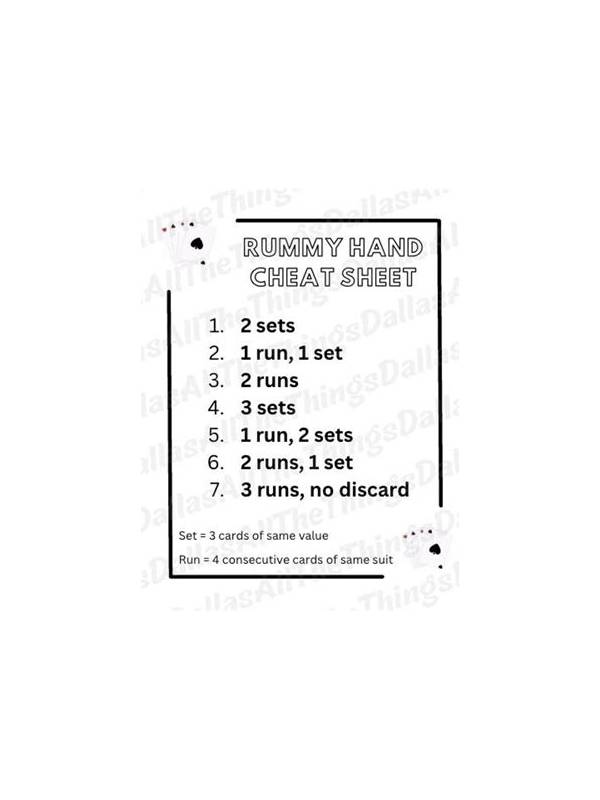
Rummy Guide: Read the Hand in Two Passes
A two-pass review separates legal structure from tactical choice so a rummy hand is easier [...]
Rummy Safety: Create a Clear Boundary Between Advice and Support
Separating strategy advice from account support requests helps protect your information and your judgment. [...]