Rummy Guide: Use a Repair Cost for Unfinished Groups

A route can move between categories after every draw. A helpful connector may make an expensive group manageable, while a missed draw can make a manageable route expensive. Recalculate only the changed group instead of starting from zero. This saves time and makes the method practical in a live game. The value of the estimate lies in noticing when a plan has become too costly to defend. Use three rough categories: cheap, manageable, and expensive. Cheap groups need broad improvement and leave alternatives. Manageable groups need narrower improvement but do not trap many points. Expensive groups need exact cards or consume the hand’s only flexible pieces. The categories are approximate; their purpose is to support a discard decision quickly when the timer is short.
When several groups are unfinished, players often choose the one that looks closest. That shortcut can miss the cost of maintaining the group. Repair cost is a simple way to include missing cards, narrow waits, and the damage caused if the plan fails.
To estimate it, write down the cards needed to complete a group. A pair that needs one of several suits has a lower immediate repair cost than a pair that needs one exact card. A two-card sequence with open ends may be cheap to repair, while a long sequence with a gap can be expensive even if it contains more cards already connected.
Add a flexibility check. Ask what each held card can do if the intended card does not arrive. A connector with a second route lowers the practical cost. A high singleton that cannot join another group raises it. This is why two plans with the same number of missing cards may deserve different treatment.
Finally consider opportunity cost. Keeping an unfinished group may force you to discard a useful card elsewhere. If protecting one route destroys a completed group or removes your only safe discard, its repair cost is higher than it first appeared. The goal is to evaluate the whole hand, not isolated patterns.
Use the estimate as a ranking tool, not as exact mathematics. Choose a primary group, set a reassessment point, and release the route when its repair cost grows. A useful trigger might be a second miss, a new high card, or the arrival of a card that makes another route clearly stronger.
Repair cost helps beginners move from visual attraction to practical judgment. It also keeps experienced players from defending a familiar plan after the available evidence has changed.
Related Post
Rummy FAQ: How Can You Tell If a Hand Is Getting Simpler?
A simpler rummy hand has fewer competing plans, clearer groups, and a more manageable next [...]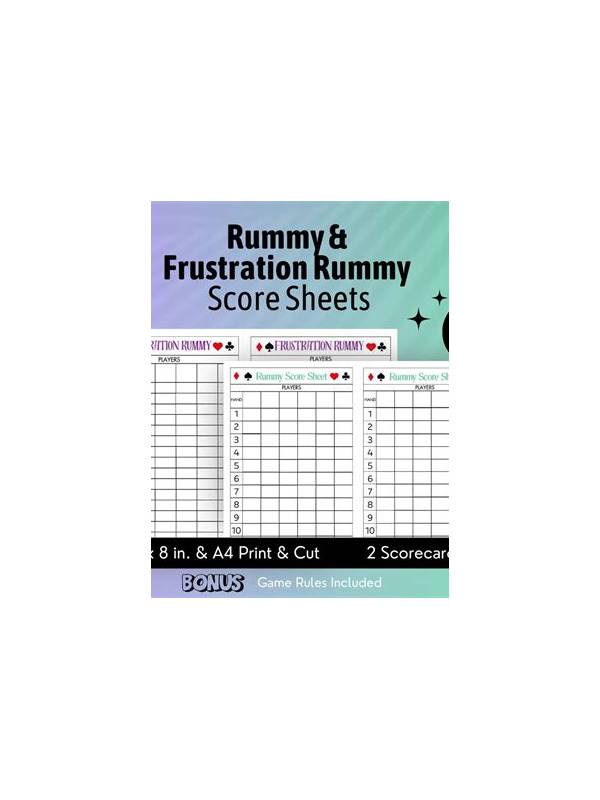
How to Keep a Rummy Score Sheet That You Can Trust
A consistent score sheet reduces disputes and makes each rummy round easier to review. [...]