Rummy Comparison: A Short Review or a Full Hand Log
A full log should include only information you can review. If recording every action is tiring, capture decision junctions instead: the first route choice, the first major discard, and the final repair attempt. Over time, those junctions reveal whether errors happen early or late. The review then becomes a targeted practice plan rather than an archive that grows without purpose. Use neutral wording in either format. “I discarded the high card after the second missed draw” is more useful than “I ruined the hand.” Neutral notes preserve the sequence of events and leave room for fair evaluation. If the same situation appears again, compare the two processes and identify one change to test. A review should improve the next question.
Post-game review is most useful when it leads to one specific lesson. A short review and a full hand log serve different purposes. The short review fits a busy day and helps preserve the key decision. The full log supports careful study when a repeated issue needs evidence.
A short review can take two minutes. Record the hand’s main situation, the decision you made, and one alternative you considered. Add whether the result supported or contradicted your reasoning, but do not treat the result as proof that the decision was good or bad. This format is enough to notice patterns such as chasing narrow draws or ignoring penalty exposure.
A full log records each draw, discard, visible clue, and plan change. It takes more time and can be useful for practice sessions, teaching, or investigating a rules misunderstanding. The danger is turning record keeping into another form of play. If the log becomes so detailed that you never review it, it is too large for the purpose.
Choose a short review when the hand was ordinary and you want consistency. Choose a full log when the table introduced a new variant, a disconnect caused confusion, or the same decision keeps producing uncertainty. You can also use a hybrid: record every turn briefly, then expand only the two most important junctions.
Review the notes on a schedule rather than after every emotional result. Look for repeated decision types and convert one pattern into a practice question. For example, “How do I compare two open-ended routes?” is more useful than “I played badly.”
Both formats work when they separate facts from interpretation. Write what was visible, what you believed, and what you will test next. The right log is the smallest record that makes the next decision clearer.
Related Post
Rummy How-To: Explain a Discard Without Outcome Bias
A structured explanation separates what was known at the time from what the later draw [...]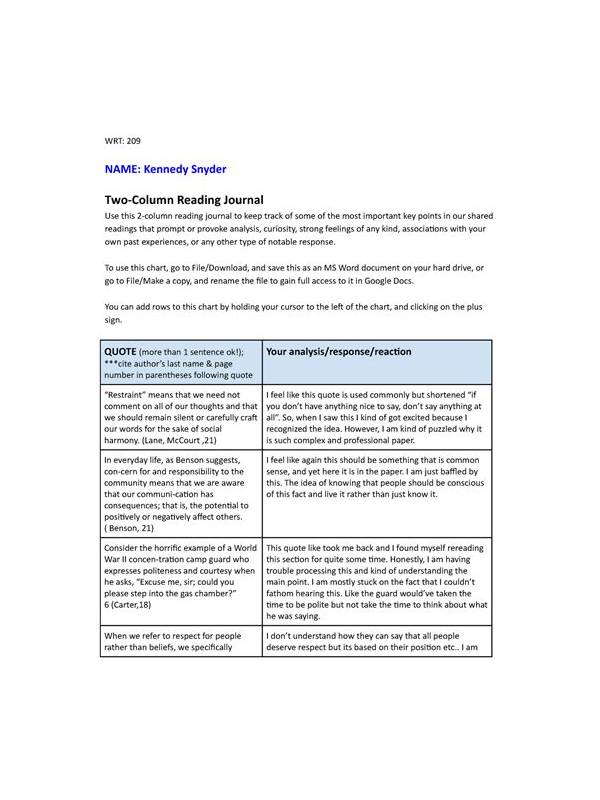
Rummy How-To: Use a Two-Column Draw Journal
A compact journal separates what a player expected from what the hand actually showed. [...]