Rummy Guide: Turn a Loose Hand Into Clear Groups
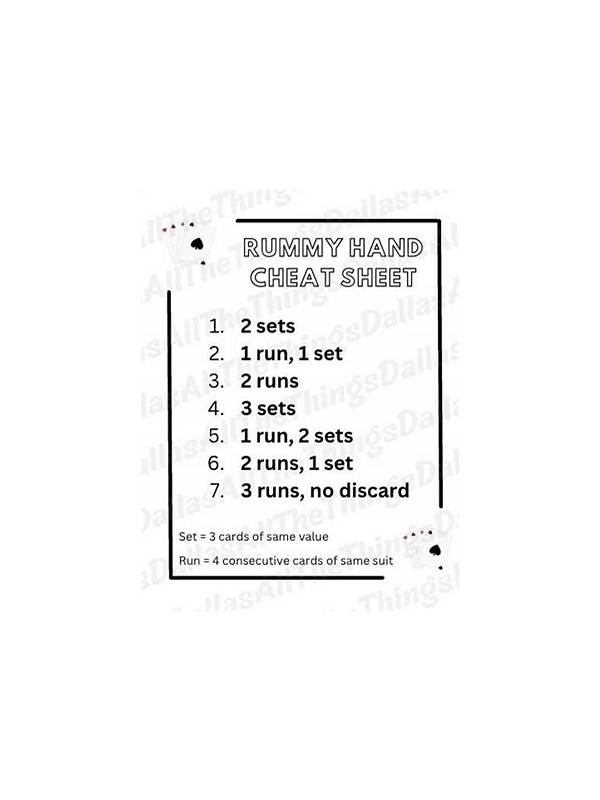
A loose opening hand can look worse than it really is. The cards may be spread across suits, with several pairs and only one obvious connection. The useful response is not to force a group immediately. Instead, turn the hand into a small set of choices and keep those choices visible.
Start by sorting cards by suit, then mark every adjacent connection. A seven and eight of the same suit are a live two-card run; a seven and nine have a gap and are less certain. Next, circle pairs that could become sets. Do not call every pair equally valuable. A pair is useful only if a third card is reasonably plausible and keeping it does not block a stronger sequence.
Now give each card a job. Some cards are anchors because they already belong to a likely group. Some are connectors because they can join two cards. Others are passengers: they have no current relationship to the rest of the hand. This label is temporary. A passenger can become valuable after one draw, but it should not receive the same protection as an anchor.
Build two possible layouts rather than one. In the first, prioritize the best sequence. In the second, prioritize the best set or an alternative sequence. Compare how many cards remain unassigned in each layout. The layout with fewer unresolved cards is often the better working plan, even if its final shape looks less exciting.
After each draw, update the labels. Ask whether the new card improves an existing group, creates a better connector, or simply replaces a passenger. Then discard the card with the weakest job, considering both its value and the chance that it helps an opponent. This method prevents a single attractive pair from controlling the entire hand.
The goal is not to predict the exact winning arrangement from the first deal. It is to make each decision with a clear picture of what is already working, what needs one specific card, and what can be released. That clarity is the real beginning of a playable hand.
For practice, pause after the initial sort and write the two layouts on paper. Note the card that would improve each one and the card you would release if it does not. This makes the comparison concrete and exposes when both layouts depend on the same unlikely draw. With repetition, the sorting step becomes faster without becoming careless.
Remember that a legal arrangement is still subject to the table’s exact rules. Confirm how jokers, aces, and declarations are handled before applying a general pattern. The method helps organize choices; it does not change the rules of the game.
Related Post
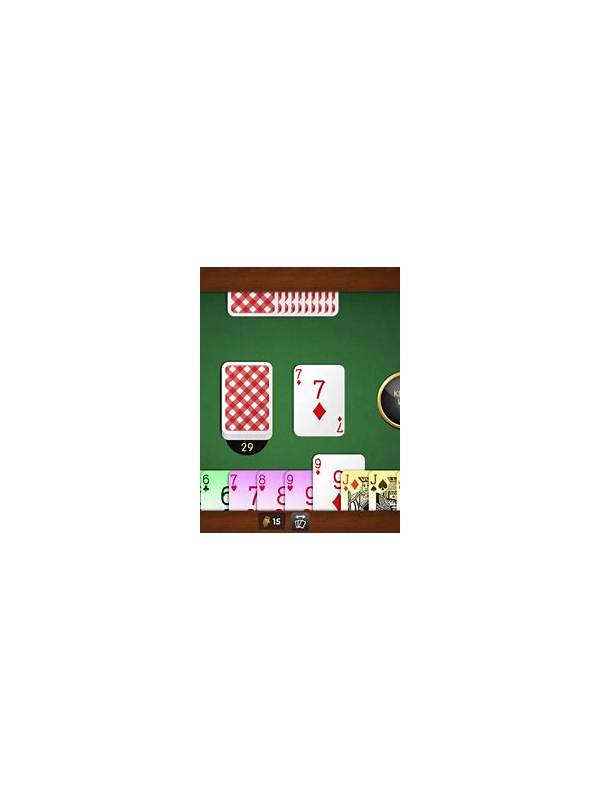
Rummy FAQ: How Can a Quiet Turn Still Help?
A neutral draw changes your information or options without immediately improving a complete meld. [...]
Rummy Safety: Make an Exit Plan Before Joining
Set clear time, spending, and attention limits before a rummy session so stopping remains an [...]