Rummy How-To: Make a Personal Rulebook for Practice
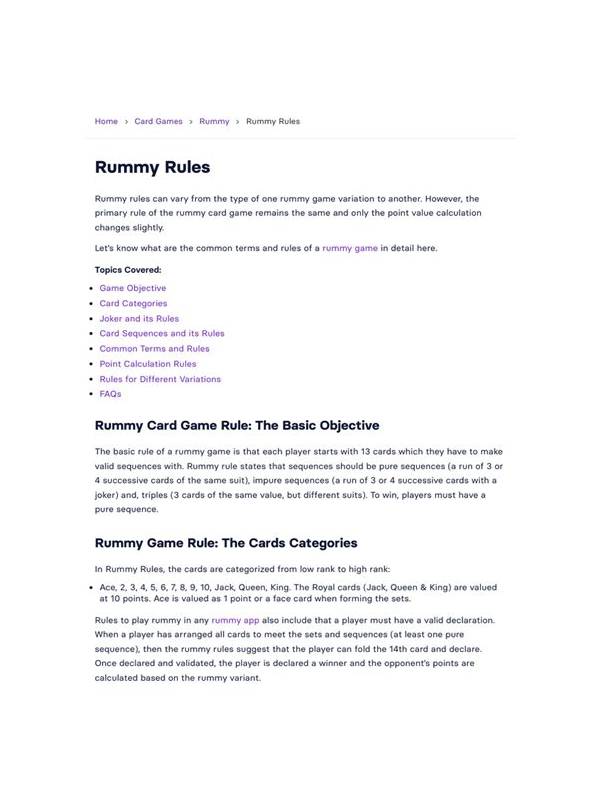
A personal rulebook is a short list of decisions you want to make consistently. It should support practice, not pretend to replace the table’s official rules.
Start with three recurring mistakes. Maybe you keep isolated high cards too long, forget to verify a declaration, or take an open-pile card without considering what it reveals. Write each mistake as a question that can be answered during play. “What job does this card have?” is more useful than “Do not play badly.”
Add one rule for preparation and one for stopping. Preparation might be checking the format, scoring, and account limits before joining. A stopping rule might be ending the session when the planned time or budget is reached. These rules protect the quality of practice as well as the hand itself.
Keep the list short enough to remember. Five or six rules are usually more practical than a page of theory. Group similar ideas: hand structure, information, endgame checks, and personal boundaries. Review one group before a session and another after it.
Test each rule for clarity. It should describe an observable action, have a natural moment to apply, and allow an honest answer. Revise rules that depend on perfection or hindsight. For example, “Never miss a draw” is not useful if the interface is unfamiliar; “Pause after the draw to identify the weakest role” is testable.
Update the rulebook only after several examples, not after every unlucky result. A single outcome may be random; a repeated decision pattern is stronger evidence. Over time, your rulebook becomes a compact record of how you learn, while the current table rules remain the authority for legal play.
Keep examples beside a rule when they clarify it. A short example of an isolated card, a missed declaration check, or a misleading open-pile clue can make the rule easier to recall. Remove examples that encourage memorizing a fixed move instead of examining the current hand.
Review the rulebook at the start of a calm practice session and retire rules that no longer address a recurring problem. The document should stay small and useful. It is a feedback tool, not a collection of promises about perfect play.
Keep the official table instructions separate from your personal notes. If they conflict, the current rules shown by the platform control the hand. Your rulebook should remind you how to think, while the game rules define what actions are valid.
Related Post
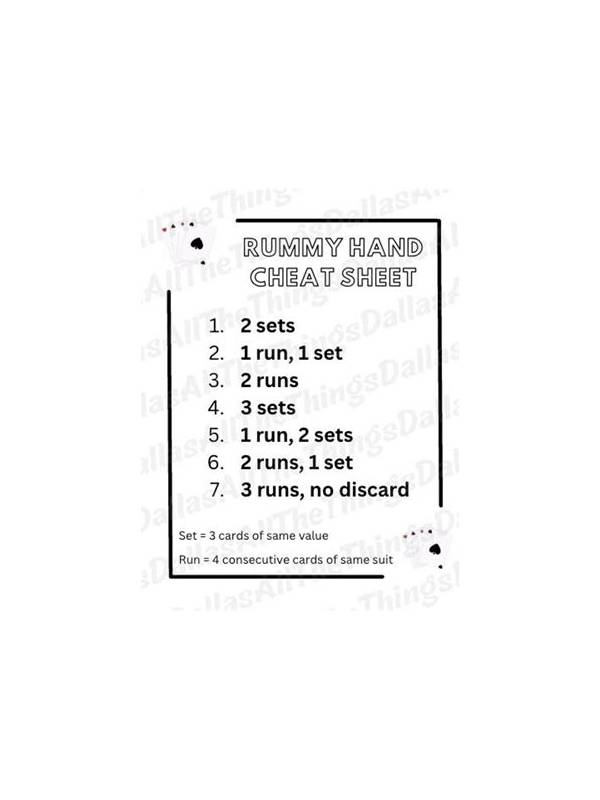
A Beginner Guide to Sorting a Thirteen-Card Rummy Hand
Sorting by suit and grouping possibilities gives beginners a reliable first look at a thirteen-card [...]
Rummy Tips: Use a Two-Question Discard Check
Two short questions can reduce impulsive discards while keeping your turn efficient. [...]