A Three-Column Rummy Session Note Template
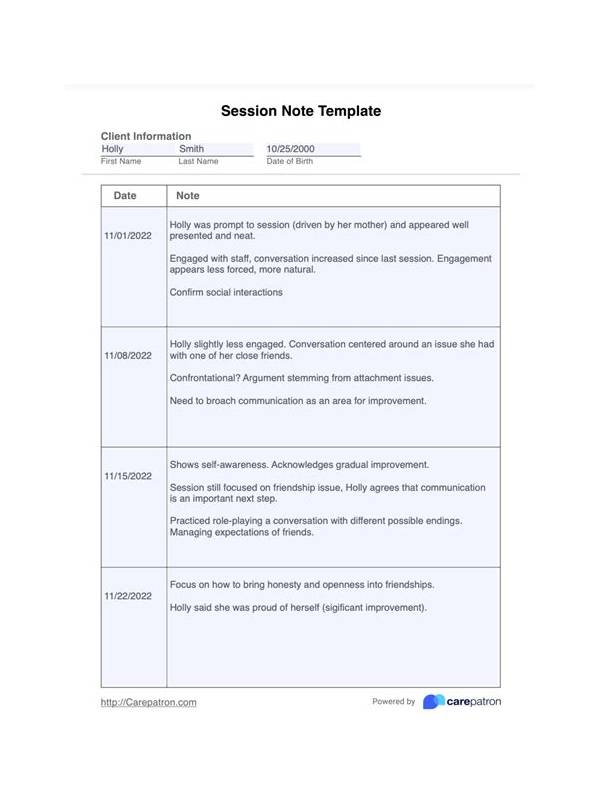
Keep the template small
Session notes are useful when they can be maintained consistently. A simple three-column layout is enough: “Choice,” “What I knew,” and “What happened.” The first column records the action, such as drawing from the stock or discarding a connector. The second captures visible evidence at that moment. The third records the immediate consequence, without turning it into a verdict. This format takes less time than writing a narrative and discourages hindsight.
Column one: Choice
Describe one decision in plain language. “Kept two middle cards” is more useful than “played badly,” because it identifies an action that can be examined. Include the turn or stage of the hand if that helps. If you changed a plan, write both the old route and the new route. Avoid listing every automatic action. Focus on choices where two or more reasonable alternatives existed, since those are the moments that teach you something.
Column two: What I knew
Record the information available before acting. This might include a visible discard, a completed meld, an opponent taking a card, or the number of exact cards your route required. Also record uncertainty. “I had not seen the matching rank” is different from “the card was unavailable.” Never use a card that appeared later as evidence for an earlier choice. This column is the protection against hindsight bias.
Column three: What happened
State the result factually: “next draw completed the run,” “opponent picked up the discard,” or “two cards remained unmatched.” The result is not automatically proof that the choice was right or wrong. A good decision can fail because of the draw, and a risky decision can succeed. If you want to add an evaluation, place it below the table after the hand, when you can compare alternatives calmly.
Add a short closing review
After the session, scan the notes and answer three questions. Which choice appeared more than once? Which piece of evidence did you overlook? What single behaviour will you test next time? Keep the answer specific, such as “check whether a discard gives an immediate pickup” rather than “concentrate more.” If no pattern appears, that is also useful: continue collecting comparable notes before drawing a conclusion.
Protect privacy and attention
Do not let note-taking interfere with the table, and never record passwords, payment information, or another player’s personal details. For casual practice, a paper card or private local file works well. The template is a learning aid, not a performance test. Its value comes from repeated, neutral observations that help you make clearer decisions while keeping the session comfortable and within your chosen time and spending limits.
Related Post

Rummy Hand Temperature: A Simple Label for Stable and Uncertain Groups
Labeling groups as stable, warm, or cold offers a quick way to reassess a changing [...]
Rummy Table Boundaries: Protect Time and Attention
Set practical boundaries before an online rummy session so play remains controlled and comfortable. [...]