Rummy How-To: Review a Turn With the Four-Box Method
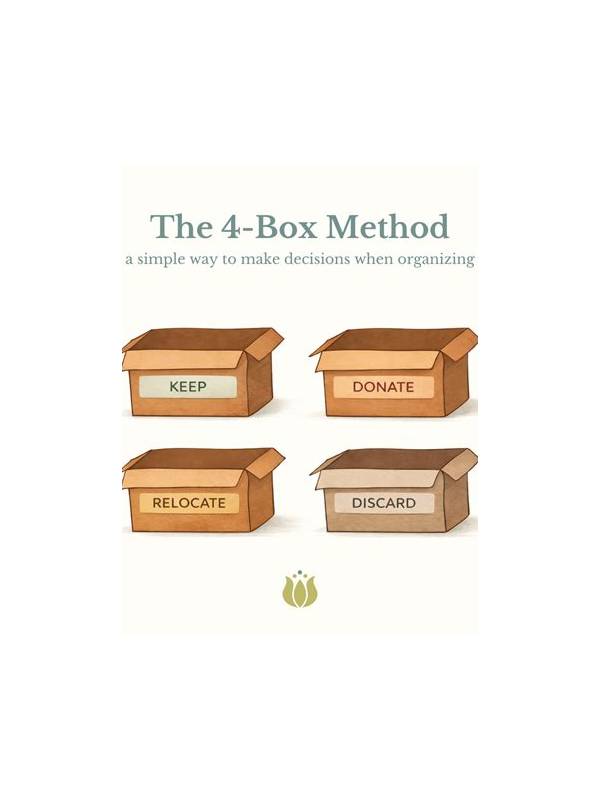
The four-box method provides a compact way to review a rummy turn without judging it only by the result. Draw four headings: Known, Choice, Expectation, and Update. Fill them in immediately after the turn or during a later practice review.
Under Known, record visible facts: cards in your hand, relevant discards, table rules, and any action that was clear. Do not add guesses here. Keeping facts separate prevents a later explanation from becoming more certain than the information available at the time.
Under Choice, write what you did and the alternatives you considered. Include the discarded card and the card taken, if relevant. A short description is enough. The aim is to preserve the decision point before memory smooths it into a single obvious path.
Under Expectation, state what you thought would happen. Perhaps you expected a route to remain open, believed a card was low risk, or wanted to reduce penalty exposure. Use cautious language where appropriate. “I expected this route to stay plausible” is more useful than “this was definitely correct.”
Under Update, record what the turn taught you. A new card may strengthen one plan, show that a route is crowded, or reveal that your earlier assumption was unsupported. This box should guide the next turn. It is not a place to punish yourself for a random outcome.
After several reviews, look for repeated patterns. You may discover that you keep overvaluing a narrow connector, ignore late-stage penalty risk, or fail to check a rule variation. The method works because it turns one turn into a small evidence record. It supports improvement while respecting the uncertainty that makes card games difficult. The method also helps with disagreements. Players can compare their Known and Expectation boxes without arguing from the final score. If a rule was unclear, resolve that issue before the next game and write the agreed interpretation down. Keep the review focused on decisions you could influence. A random opponent draw belongs in the Known or Update box, but it is not automatically a mistake on your part. The method is designed to improve attention, planning, and rule awareness. It cannot make uncertain information certain, and it should not be used to promise control over the result.
Related Post
Rummy Tips: Label Cards by Commitment Level
Commitment labels show which rummy cards are protected, provisional, or ready to release as the [...]
Rummy FAQ: How Do You Read a Discard Pile Without Overreacting?
The discard pile can offer clues, but it should be treated as partial evidence rather [...]