Rummy Comparison: Holding Value and Immediate Utility

Holding value and immediate utility describe different reasons to keep a card. Immediate utility means the card helps a current action or completion. Holding value means it may preserve several future options. Confusing the two can leave a hand heavy with attractive but inactive cards.
An immediately useful card may complete a group, extend a reliable run, or reduce the number of unresolved tasks. Its benefit is visible now. Check whether using it damages another stronger route, but do not discount a clear improvement merely because it is not flashy.
Holding value is more conditional. A card may fit several possible groups, connect two ranks, or protect a fallback. Its value depends on future draws and the time remaining. If the same card has no clear job after several turns, its holding value may have been overstated.
Compare the two with a simple table in your notes. For each candidate, write “helps now,” “keeps open,” and “cost to hold.” A high card can have low immediate utility but a large penalty cost. A low card can have strong immediate utility because it completes a clean combination. The card’s number alone cannot settle the comparison.
Stage matters too. Early in a hand, holding value often deserves more weight because there is time to discover a route. Late in a hand, immediate utility and penalty reduction usually deserve priority. Use a trigger such as a nearly empty stock or an opponent’s rapid progress to change the weighting.
This comparison is not a formula that removes judgment. It is a reminder to ask two different questions: “What does this card do now?” and “What credible future does it preserve?” Keeping those answers separate makes discards clearer and post-game reviews more accurate. Ask whether the future job is supported by more than one completion card and whether enough time remains. If not, holding value is only theoretical. Release the card when an ordinary, lower-cost improvement offers a better balance. A useful exercise is to compare two cards that seem equally attractive. Give one point for an immediate job, one for each independent future route, and subtract a point for a meaningful holding cost. The score is not a mathematical truth, but it forces the same questions for both cards. If the result is close, use timing and reversibility as tie-breakers.
Related Post
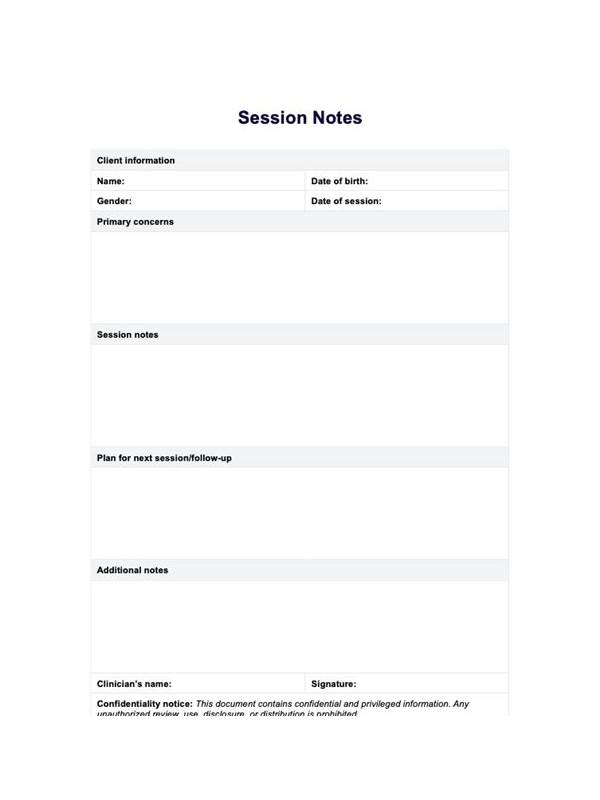
Rummy How-To: Archive Session Notes for Later Review
A compact archive makes it easier to find recurring decision patterns without turning every game [...]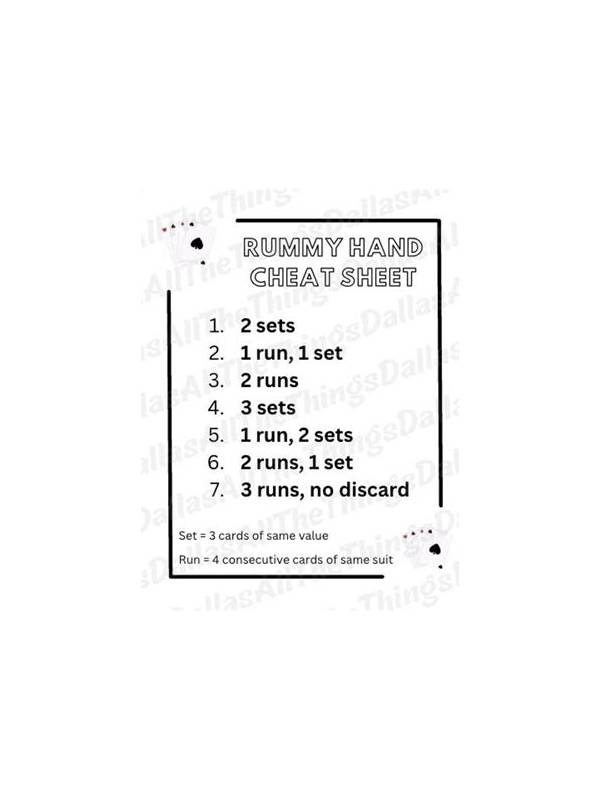
Rummy How-To: Check a Hand From Left to Right
A fixed left-to-right inspection can reduce missed cards during final rummy checks. [...]