Rummy Comparison: Result Quality and Decision Quality
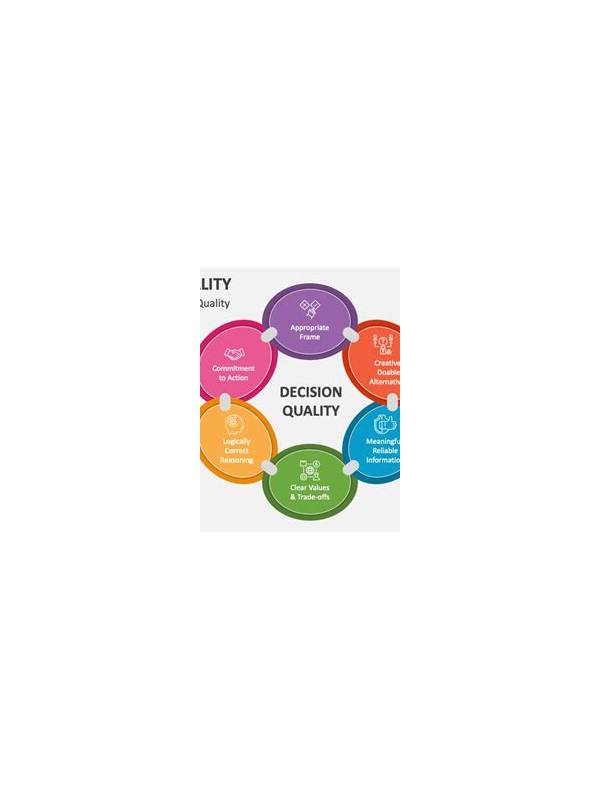
A good decision can produce a poor result, and a poor decision can be rewarded by a lucky draw. Comparing result quality with decision quality helps you learn from a hand without rewriting the facts after it ends.
Judge the decision using the information available at the time. Did you identify the legal requirements, compare reasonable routes, and account for the remaining turns? Did the discard reduce risk or improve the structure? These questions evaluate the process. The eventual card or opponent action is evidence for future choices, but it is not the only measure of the original decision.
Judge the result separately. A result describes what happened: the needed card did not arrive, an opponent completed first, or your route worked. It can reveal that a plan was too narrow, but it cannot prove that every choice leading to the result was wrong. Keeping the categories separate prevents hindsight from making an unlikely outcome look predictable.
A simple review table has four entries: decision, available information, result, and lesson. The lesson should be specific and limited. “Review narrow routes after one neutral draw” is more useful than “play safer.” If the process was sound but the result was poor, record the outcome without adding unnecessary blame.
Over several hands, look for repeated process errors rather than isolated losses. Perhaps you ignore visible cards, hold expensive singletons, or fail to check legality before declaring. Those patterns deserve practice. A single unlucky result deserves perspective. This comparison keeps review honest and turns both wins and losses into better decision habits.
One useful exercise is to review a hand twice. On the first pass, describe the result without criticism. On the second, stop the timeline before the decisive turn and list the options that were visible then. Compare the chosen option with the alternatives, not with the perfect knowledge available after the hand. This method protects against outcome bias and gives you a concrete practice target. If the decision was reasonable, accept the result as part of uncertainty. If the process was weak, change one behavior for the next session rather than attempting to correct everything at once. This approach also helps with successful hands. A win can hide a weak process because the desired card arrived at the right time. Ask whether the same decision would remain defensible if the result had gone the other way. If yes, keep the process and accept the variance. If no, identify the lucky part and revise the rule. Reviewing wins with the same honesty as losses prevents confidence from growing faster than skill.
Related Post
How to Choose Between Two Rummy Discard Candidates
A simple tie-break method helps when two cards appear equally weak at the end of [...]
How to Test Rummy App Performance Before a Serious Session
A short technical check can reveal connection, display, and battery problems before they affect an [...]