Rummy Guide: Evaluate a Card by Its Exit Options
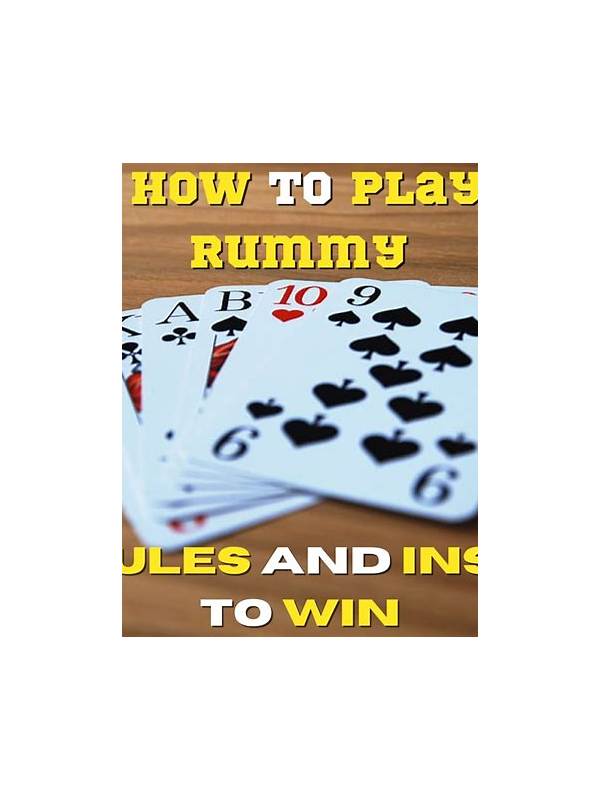
When a rummy card enters your hand, do not judge it only by the plan you have in mind today. Ask how many reasonable exits it has. An exit is a useful way to release the card later: it may join a group, complete a sequence, be discarded with low exposure, or preserve another plan while leaving. Cards with several exits are easier to manage when the hand changes.
Start by writing the card’s current job in plain language. Perhaps it is a connector for a possible run, a member of a pair, or simply a low-penalty placeholder. Then list what could make that job fail. A missing rank, a duplicated suit, an opponent taking a needed card, or a shrinking stock can all remove an expected route. This turns vague optimism into a manageable review.
Next, identify alternative exits without inventing unlikely miracles. A card is not flexible because you can imagine six different combinations. Count only routes that fit the visible cards, the table rules, and the remaining time. If a card can join two realistic sequences or become a safe discard after one more observation, it has more practical exits than a card waiting for one exact rank.
Use the method at natural checkpoints. Reassess after a useful discard appears, when the stock becomes smaller, and whenever an opponent reveals a clear preference. You do not need to recalculate every turn. A short note such as “two exits, one depends on a narrow draw” is enough to keep the hand honest.
Exit options should not override penalty and timing. A high-value card with three distant possibilities may still be worse than a modest card with one immediate completion. Compare the benefit of staying flexible with the cost of holding the card. The best choice often has a credible exit and a reasonable deadline.
This approach also improves review after the hand. Instead of saying that a card “looked good,” ask whether its exits were real and whether you noticed when they disappeared. That question produces a reusable lesson for future hands: preserve options that are practical, and release attractive cards when their exits become stories rather than routes.
One useful habit is to name the best exit before you keep the card. If you cannot state that exit clearly, treat the card as provisional. This small pause protects your hand from collecting cards that are individually interesting but collectively difficult to release.
Related Post
Rummy Hand Anatomy: Read Structure Before Strategy
Understanding the parts of a thirteen-card hand gives beginners a calmer way to make decisions. [...]
Rummy FAQ: Can a Low-Point Card Still Be Dangerous?
Low points reduce scoring risk but do not guarantee that a card is safe to [...]