Rummy Safety: Verify a Link Before You Open It
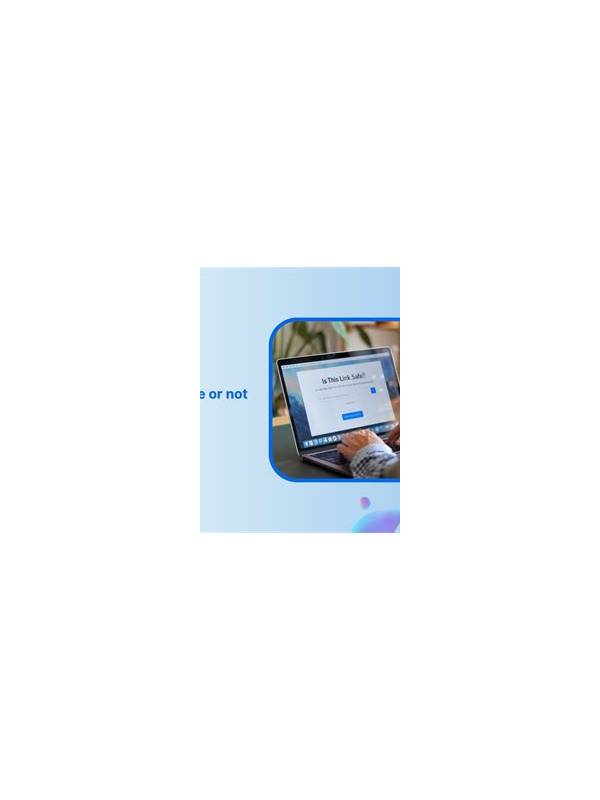
Messages about rummy games may contain invitations, updates, offers, or support instructions. A familiar logo or friendly tone does not prove that a link is safe. Before opening one, use a brief verification routine and treat urgency as a reason to slow down.
First inspect where the link claims to lead. On a computer, hover without clicking; on a phone, press and hold only if the interface safely reveals the destination. Look for misspellings, unexpected domains, shortened addresses, or a domain that does not match the official service you intended to use. Do not rely on a padlock alone. Encryption protects a connection, not the honesty of the website.
Next ask how the message arrived. A support team should not need your password, one-time code, or full payment details through an unsolicited chat. If the message says your account will be closed unless you act immediately, leave the message and open the service through a known bookmark or the official app instead. Contact support using the channel listed there.
Do not download an installer from a random conversation. Check the publisher, permissions, reviews, and update history through a trusted source, and keep your device protections enabled. If you already opened a suspicious page, close it, avoid entering information, and run the device’s normal security check. Change a password only through the legitimate account page, never through the link that caused concern.
Record the sender and message only if you need to report it, while removing personal information from any shared note. Safety is not about assuming every message is fraudulent. It is about verifying independently before a link can influence your account, device, or money. If you are unsure whether a notice is genuine, do not reply to ask the sender to prove it. Use a separate verified route. You can also search the official help area for a general warning, but avoid using a search result advertisement as your only evidence. Keep notifications enabled for account security while disabling promotional alerts that encourage hurried action. Good security leaves you time to think. If you accidentally submit information, act promptly through the legitimate service. Change affected credentials, review account activity, and ask the provider what protective steps are available. Do not continue the conversation with the suspicious sender while trying to recover the account. Fast action through a trusted route is safer than arguing with an unverified one.
Related Post
Rummy Tips: Count Information Before Counting Outs
Good draw decisions consider visible information and timing rather than raw possibilities alone. [...]
Rummy How-To: Make a Card-Role Audit After Each Draw
A fast card-role audit identifies cards that still have a job and cards kept only [...]