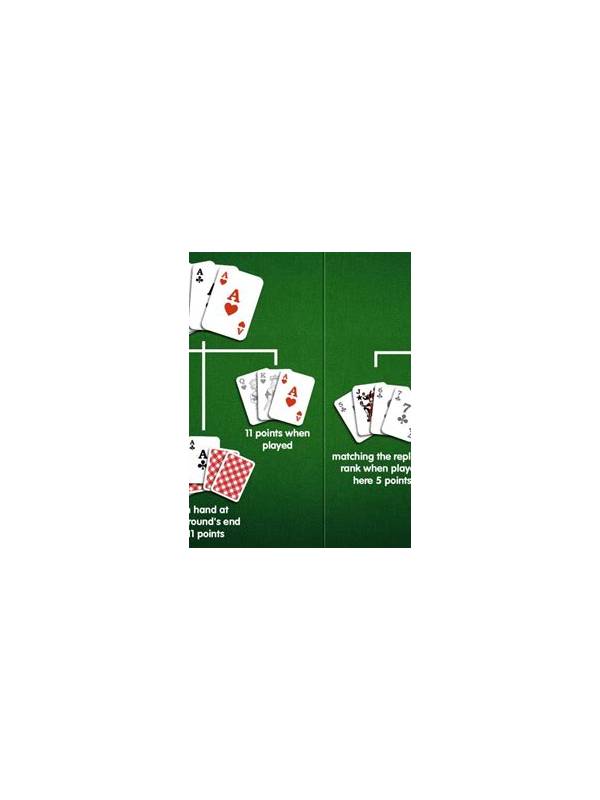
Rummy Guide: Use an Improvement Budget for Each Turn

The best routine is one you can apply reliably. Use it to focus on meaningful differences between choices, then accept that hidden cards prevent complete certainty.
After several sessions, identify which decisions truly require extra time. Usually they involve a declaration, a joker, or a risky open-pile draw. Routine turns can use the short version. This distinction preserves energy for the moments where careful comparison can produce a meaningful improvement.
The budget should protect attention, not create anxiety. If a position is genuinely unusual, use the available time for the few facts that distinguish the options. Then act and record the uncertainty. Timely decisions are part of the game, and a clear imperfect choice is easier to learn from than a rushed move made without any comparison.
An improvement budget is a simple limit on how much thought you give a decision before acting. It is not about rushing. It is about preventing one attractive possibility from consuming all your time while basic risks go unchecked.
Divide the budget into three scans. First, spend a moment checking legality and immediate hand value. Is the proposed meld valid under the format? Does the draw actually reduce uncertainty or penalty? Second, compare the two best alternatives. Third, make a final safety check on the discard and act. Most ordinary turns need no more than this structure.
Reserve deeper analysis for turning points: a possible declaration, a high-penalty discard, a joker decision, or a choice that affects several future routes. Even then, give yourself a boundary. If two options remain close after a careful comparison, choose the one with the cleaner remainder or lower downside. Endless analysis rarely creates certainty in an unseen-card game.
The budget also helps with online timers. Practice using a short internal count during friendly games, then notice where you spend time. Some players overanalyze their first draw and rush their discard; others do the reverse. Adjust the allocation so the final action receives enough attention to avoid preventable errors.
Review whether the budget improved your process, not whether every choice won. If you acted too quickly, identify the missing scan. If you spent too long, identify the question that had no useful answer. A good budget makes your decision sequence repeatable, leaves room for unusual positions, and keeps the game enjoyable.
Related Post
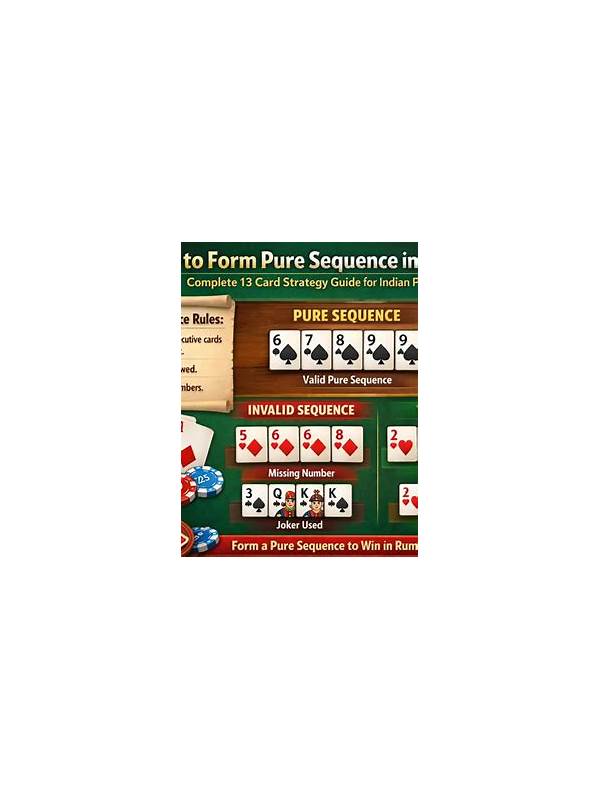
Rummy How-To: Test a Sequence Before Holding It
Testing a possible sequence against alternatives can prevent one attractive connection from controlling the whole [...]
How to Compare Points Rummy and Deals Rummy
Comparing scoring, pace, and decision pressure makes it easier to choose a rummy format that [...]