Rummy Guide: Evaluate a Hand Using Completion Distance
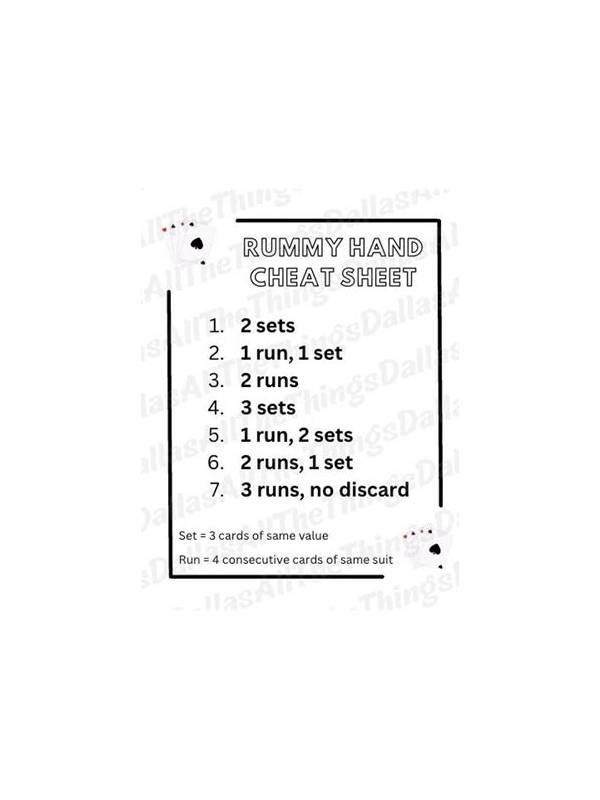
Completion distance is a practical way to compare unfinished groups. It asks how many useful changes are needed before a route can become part of a valid declaration. The count is only a starting point; the quality of the required cards and the penalty of waiting matter just as much.
For each possible group, count missing slots. A pair one rank away from a sequence may have a short distance, while two unrelated cards have a longer one. A set may also be close by count but narrow by availability. Record both numbers: the minimum changes and the number of practical cards that could make them.
Then include disruption cost. If completing one group requires releasing a bridge from another group, add that cost to your mental distance. If the route locks a high card in the hand for several turns, treat the added exposure as another reason to be cautious. A route with fewer missing slots is not automatically safer.
Use completion distance to rank plans, not to force a decision. A slightly longer route with several outs may be better than a short route waiting on one exact card. Early in a round, preserving flexibility can outweigh immediate distance. Later, a clear short route may deserve priority if the hand can be checked confidently.
Practise by taking random hands and writing three candidate routes with their distance, practical outs, and disruption cost. After sorting the final hand, compare your estimate with what actually worked. The exercise trains you to see future work clearly while avoiding the common mistake of calling every attractive pair “almost complete.” Completion distance can be misleading when a group contains a joker or another flexible resource. Count the group as it is actually allowed under the table rules, then check whether using that resource prevents a stronger pure or natural route elsewhere. Also distinguish a card that completes one group from a card that completes the whole declaration. The second has greater value because it removes more future decisions. This refinement makes distance a practical planning tool rather than a simple card count. For reliable practice, make the check before looking at the next card. State your choice in one sentence and note the alternative you rejected. This creates a small record of reasoning rather than a result-only judgment. The habit is valuable in both favorable and unfavorable rounds because it shows whether the process stayed consistent when the hand changed.
Related Post
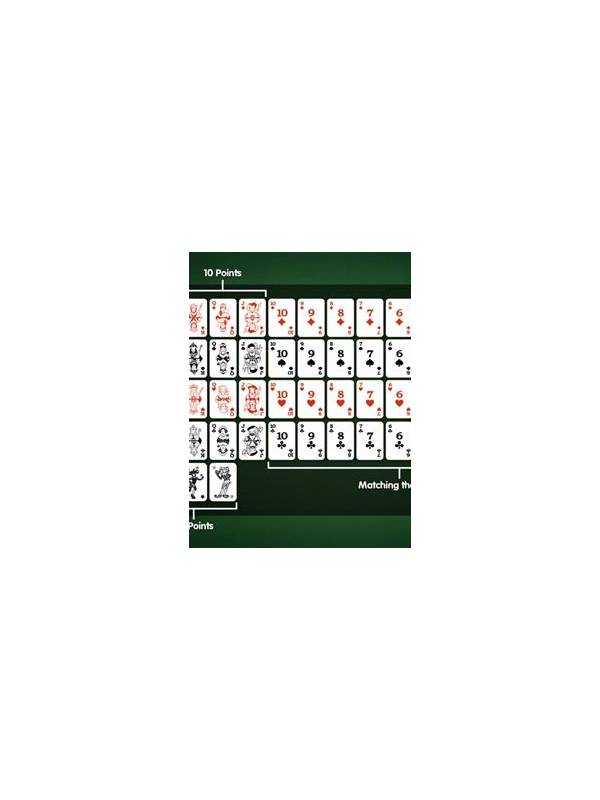
Rummy How-To: Practice the First Thirty Seconds of a Hand
A short opening routine helps you identify requirements, structure, and risk before the hand becomes [...]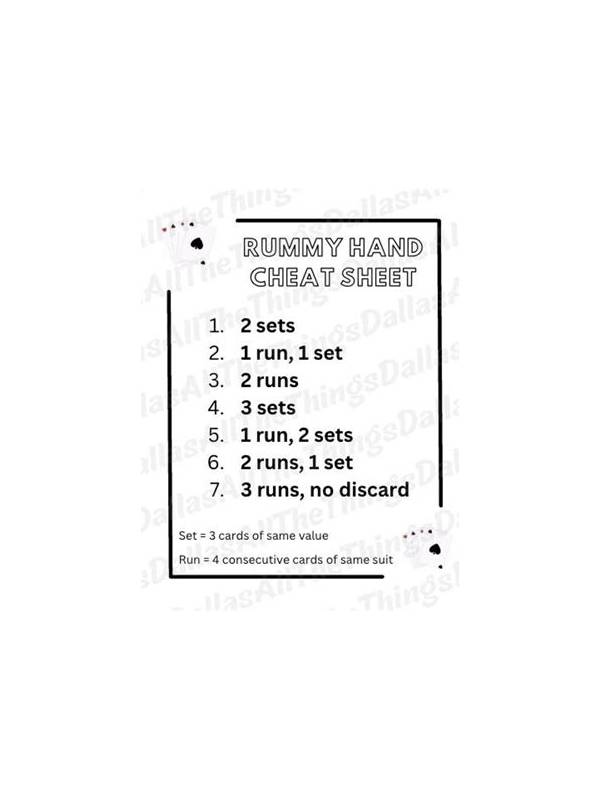
Rummy Guide: Use Suit Balance to Organize Your First Look
Use suit balance as an organizing tool without mistaking it for a complete rummy strategy. [...]