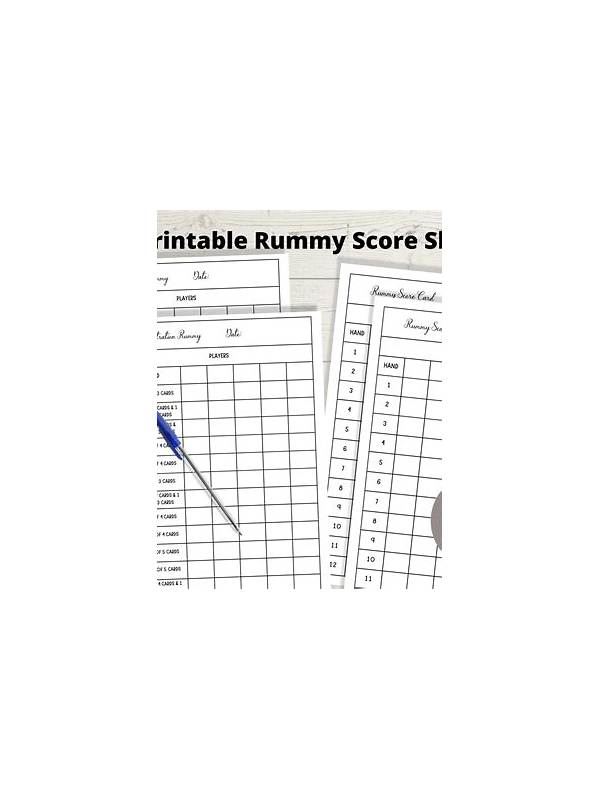
Rummy Safety: Make an Exit Plan Before Joining
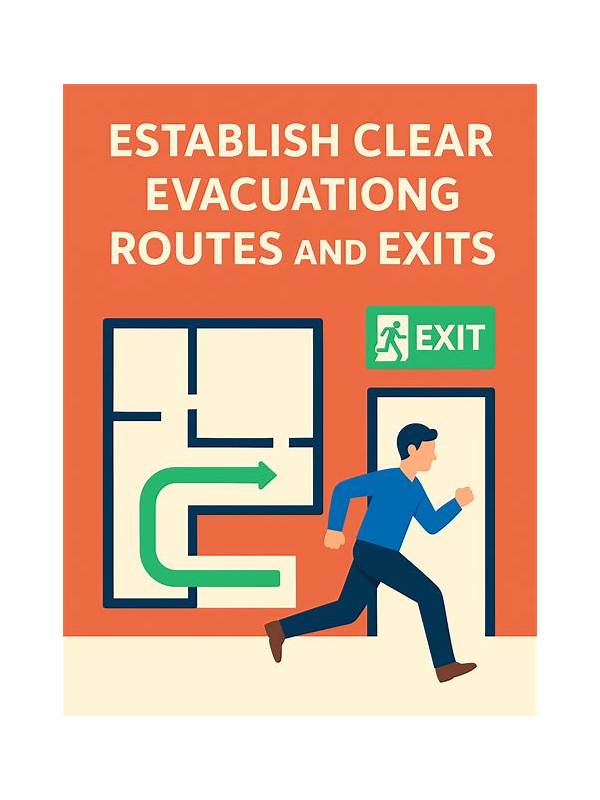
Make stopping mechanically easy. Close the table when the limit arrives, remove saved payment methods if helpful, and avoid keeping a second device ready for continuation. Tell a trusted person your end time if accountability helps. Prepare an offline alternative, such as reviewing one hand or taking a walk. If stopping repeatedly feels difficult, pause paid play and seek support from someone trusted or an appropriate professional resource.
An exit plan is decided before the session, when the result and table atmosphere cannot influence it. It can include a stop time, a spending ceiling, and conditions for leaving early. The plan does not predict whether you will win. It protects your ability to stop when tired, distracted, frustrated, or tempted to continue beyond the original purpose.
Choose a time limit that is independent of the game interface. A phone alarm or calendar reminder can work better than relying on the next hand to feel complete. If the format does not allow immediate departure, account for the expected hand length and leave when the rules permit. Do not treat an unfinished game as a reason to start another session afterward.
Set the financial limit in advance, including entry fees and any planned deposits. Never use borrowed money or money needed for essentials. If the platform provides spending, deposit, or loss controls, review them before playing and use the settings available in your region. Do not open another account to bypass a boundary.
Add an attention rule. Leave if you are handling another responsibility, becoming unusually angry, or making clicks without checking the state of your hand. A break is useful even after a winning streak. Winning can create pressure to protect gains or extend activity, while losing can create pressure to recover. Both reactions are reasons to follow the original plan.
Write the plan in one sentence and keep it visible: “I will play until this time, within this limit, and stop if my attention drops.” Afterward, note whether the plan was followed, without judging the result. If stopping repeatedly feels difficult, pause paid play and seek support from a trusted person or an appropriate professional resource. Make the plan concrete before joining: a clock time, spending ceiling, and attention rule. Decide how you will respond to a losing streak or promotion before either occurs. An offline alternative makes stopping easier. If limits repeatedly fail, pause paid play and seek appropriate support.
Related Post
Rummy Safety: A Responsible Break Schedule for Long Sessions
Plan regular breaks so concentration, spending decisions, and enjoyment do not deteriorate during extended play. [...]
How to Set a Stop Time for an Online Rummy Session
A stop-time plan creates a clear boundary before an online rummy session becomes tiring or [...]