Rummy How-To: Review the Quality of Your Evidence
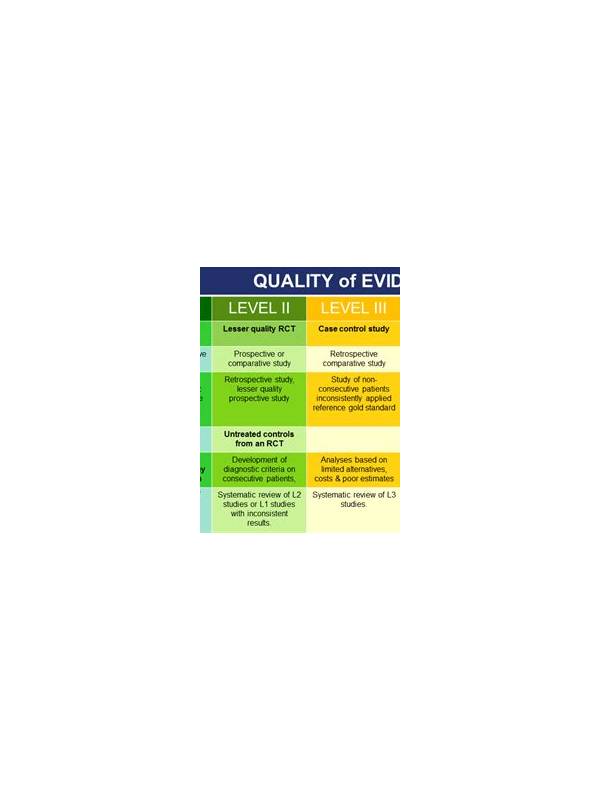
Good review depends on good evidence. A discard, a visible pickup, or a missed draw is an observation. The belief that an opponent is building a particular suit is an inference. The belief that you know their complete hand is a guess. Separating these levels keeps analysis useful and prevents confidence from growing beyond the facts.
Make three columns after a practice round. In the first, write what was directly visible: cards drawn from the open pile, cards released, timer events, and your own hand changes. In the second, write interpretations supported by more than one observation. In the third, write assumptions or predictions. Do not delete the third column; label it honestly.
Use the first column for reliable learning. If you repeatedly release a card and observe that it was compatible with your own better route, that is evidence about your process. Use the second column cautiously. A repeated pattern can be useful, but it remains an inference rather than proof. The third column is mainly for testing, not for making confident claims.
When reviewing a decision, ask which column supported it at the time. Was the discard based on a fact, a reasonable interpretation, or a fear? Would the action change if the guess were removed? This question often reveals that a simple hand-structure reason was stronger than an elaborate story about opponents.
Keep notes short and free of sensitive information. A few accurate observations are more valuable than a long narrative filled with certainty. Over time, this evidence habit improves table reading, reduces overreaction to isolated events, and makes your strategy easier to explain, test, and adjust. A useful review question is: “What would have changed my action before the next card appeared?” If you cannot name an observation, the decision may have been driven by a fixed story rather than an evidence rule. Add one measurable checkpoint, such as a second supporting card, a missed draw, or a rising penalty. This turns review into an experiment. You can then revisit the same type of hand and test whether the checkpoint improves consistency without pretending that random outcomes can be controlled. For reliable practice, make the check before looking at the next card. State your choice in one sentence and note the alternative you rejected. This creates a small record of reasoning rather than a result-only judgment. The habit is valuable in both favorable and unfavorable rounds because it shows whether the process stayed consistent when the hand changed.
Related Post
Rummy Strategy: Count Unused Cards in Each Candidate Group
Counting the cards that a plan leaves without a role helps distinguish efficient groupings from [...]
Rummy Comparison: Fixed Deadlines Versus Natural Plan Changes
Fixed deadlines create discipline, while natural plan changes offer flexibility; combining both can improve hand [...]