Rummy FAQ: Can a Discard Be Good Even If It Helps Someone?
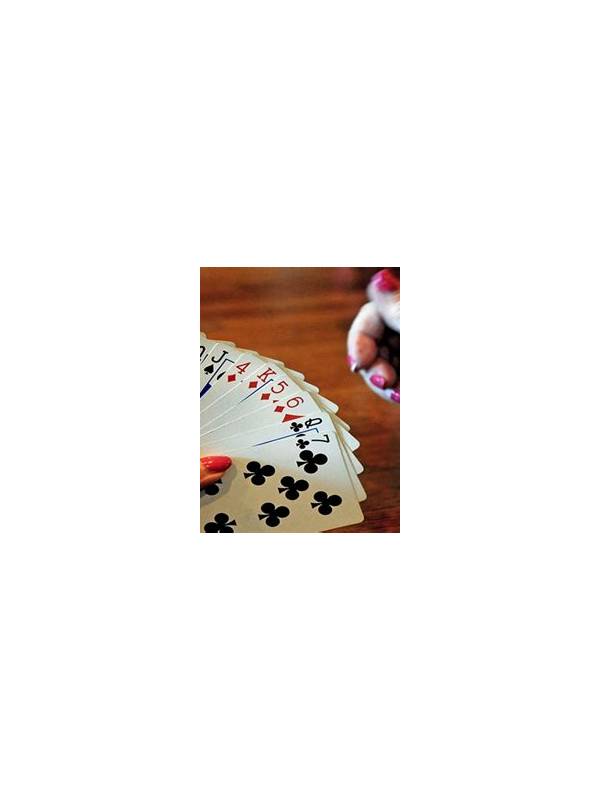
Yes. A discard is not automatically wrong because another player might use it. The decision should compare that possible benefit with the cost of keeping the card, the quality of your alternatives, and the requirements of the current format. No visible clue provides certainty about another player’s hidden hand.
Begin by checking your own need. If the card completes a group, supports a pure sequence, or connects two credible routes, releasing it may damage your hand. If it has no meaningful job and carries a high penalty, keeping it can be expensive. Next, compare other discard candidates. A card that is slightly useful but replaceable may be safer to release than a card that is the sole bridge to a compact plan.
Then consider public information. Has the card’s rank or suit appeared in the open pile? Is the opponent collecting cards that visibly relate to it? These observations can adjust your confidence, but they should not become a story about what an opponent “must” have. If the table is fast, prioritize your own legal structure and make a decision within the allotted time.
A useful test is to imagine two outcomes. In the first, another player benefits from the discard. In the second, you keep it and fail to draw your own improvement for several turns. Which outcome creates the larger and more likely cost? The test does not calculate exact odds; it makes the trade-off visible. Near a declaration, personal completion and penalty reduction may dominate. Early in a hand, preserving your own flexibility may matter more.
Record the reason after practice: “released because it had no current role and a safer alternative was unavailable.” Reviewing the reasoning is more informative than labeling the discard lucky or unlucky. Good decisions accept uncertainty while protecting the hand’s most important structure.
The same idea applies to cards that appear harmless. A low card may still complete an opponent’s route, and a high card may be safe when it is clearly disconnected from your own plans and the rules make its penalty relevant. Avoid absolute labels such as “always safe” or “never discard.” Use conditional language tied to the current hand. That keeps the review honest and makes the method transferable across formats with different scoring and draw rules.
When you are uncertain, prioritize the rule sheet and your own hand state over dramatic table narratives. A discard that is legal and strategically reasonable can still be met by an opponent’s helpful draw. Review that possibility as part of uncertainty, not as proof that the original choice was careless. This distinction protects both accuracy and calm.
Related Post
Yono Rummy Beginner Strategy Tips for Better Decisions
Beginner strategy ideas for reading a hand, tracking discards, and managing time and spending during [...]
What to Do When an Online Rummy Game Disconnects
A measured response to a disconnection protects your account, records the event, and avoids duplicate [...]