Rummy Safety: Protect Your Account and Device During Play

Safe play begins before a table opens. Use only the official distribution channel identified by the service, and inspect the app name, developer, permissions, and update history. Avoid installing files forwarded through unknown chats or pages that pressure you to disable normal device protections. Convenience is not a reason to ignore a warning.
Protect the account with a unique password and any supported multi-factor sign-in. Never share one-time codes, recovery links, or screen access with another person. If a message claims that your account needs urgent verification, open the service through your normal route instead of following the message link. Scammers often create urgency to prevent careful checking.
Review permissions after installation. A game may need network access, but unrelated access to contacts, messages, or accessibility controls deserves scrutiny. Keep the operating system and security software updated. Use a screen lock, and avoid playing or signing in on shared devices where credentials might be saved.
Keep payment safety separate from game excitement. Check the recipient, amount, and transaction record before confirming anything. Do not let a bonus, countdown, or losing streak push you into a rushed transfer. If a transaction looks wrong, stop and use the service’s documented support process; do not rely on an unofficial “agent” offering a shortcut.
At the end of a session, sign out where appropriate and note any unusual prompts, pop-ups, or account changes. Report suspicious activity promptly and change credentials from a trusted device. These habits do not guarantee perfect security, but they reduce common exposure while keeping play within a controlled, entertainment-focused routine.
If the app behaves differently after an update, pause before entering payment or identity details. Check the release information through the official channel and confirm that the account history still looks familiar. A sudden request for an unusual permission or a new payment route deserves independent verification. Keep screenshots or transaction references only in a private, protected location. Small records can help support staff investigate while limiting the amount of sensitive information you expose to strangers. When in doubt, stop the session and verify through official support. A short pause is a reasonable security measure whenever a request feels unusual. Security is a continuing practice, not a single installation decision. A few deliberate checks protect more than a rushed response to a suspicious request. Take special care with support conversations: use the contact details shown inside the official service and keep the exchange private.
Related Post

Rummy Comparison: Short Notes Versus Full Hand Records
Short notes and full hand records serve different learning goals, so the better method depends [...]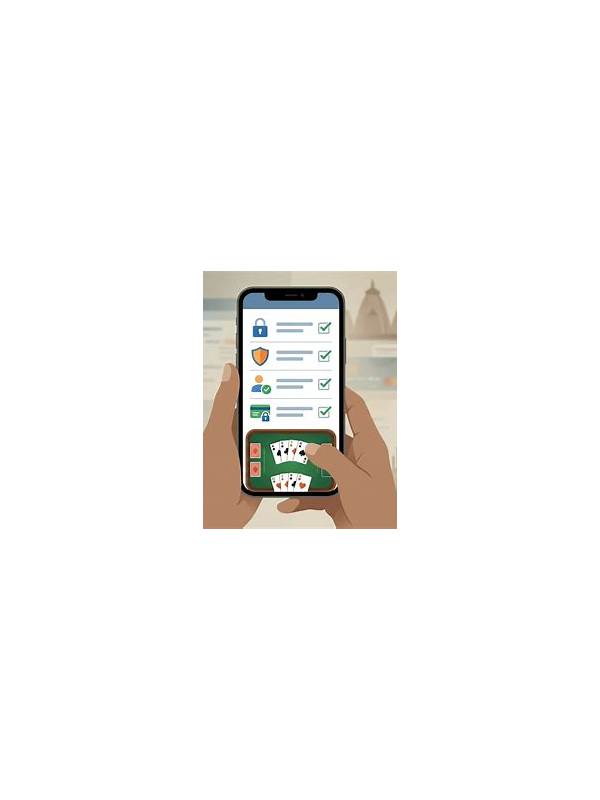
Rummy Bonus Expiry Dates: A Checklist for Reading Promotions
Rummy Bonus Expiry Dates: A Checklist for Reading Promotions offers practical guidance for clearer, safer, [...]