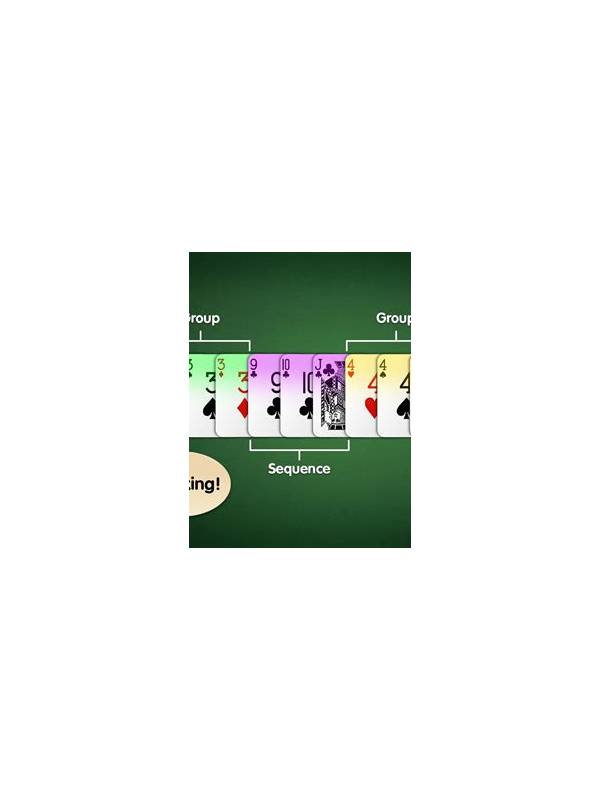
Rummy Tips: Make Discards Less Predictable
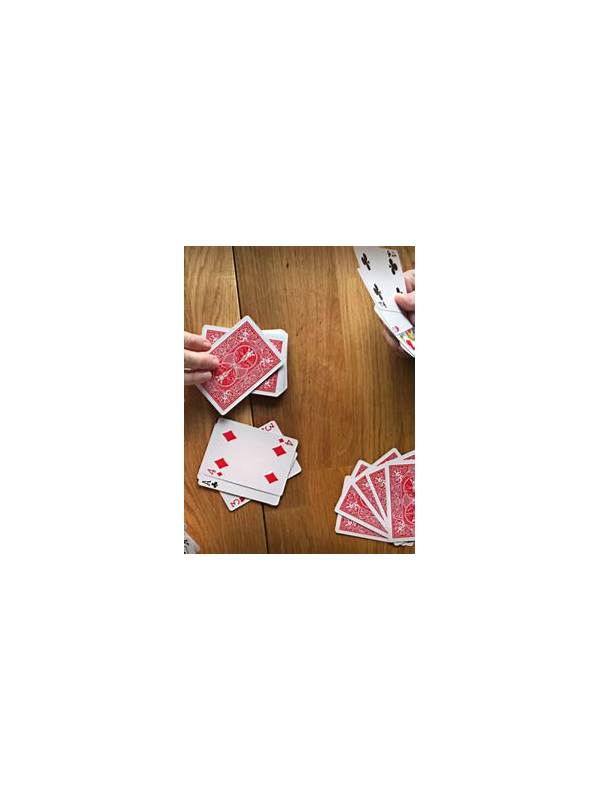
Every discard serves two purposes: it changes your hand and gives other players public information. You cannot hide all information, and trying to do so can damage your own structure. The goal is to avoid unnecessary clues while choosing cards that genuinely improve your position.
First identify whether a candidate discard has obvious neighbors or a matching rank still circulating. A card that clearly completes a common sequence may be more informative than an isolated card of similar value. This is not a reason to keep every tempting card; it is a reason to compare what each discard reveals.
Use a three-part check. Does the card have a role in your own current routes? How costly is it if left unmatched? What useful arrangement might it signal to another player? If the card has no personal role, carries meaningful points, and reveals little, it is often a strong release. If it has low points but reveals a route, compare it carefully with a less informative alternative.
Avoid artificial randomness. Throwing away a useful card merely to look unpredictable can leave your hand weaker. Likewise, changing suits or ranks for appearance does not matter if the remaining cards are disorganized. The best concealment usually comes from maintaining two plausible routes and releasing cards that are genuinely least valuable.
Review your discards after the round. Ask whether an opponent could reasonably infer your plan from a sequence of releases. If yes, consider how your plan might have been simplified earlier. The aim is not perfect secrecy; it is disciplined progress with fewer avoidable signals. A calm comparison is more valuable than guessing what every opponent might think.
There is also a practical social benefit to ordinary discards. Clear, rule-compliant choices keep the table moving and make your own hand easier to follow. Do not delay a turn while searching for a theatrical release. If two cards are close, select the one with the lower personal cost and the smaller unnecessary signal. Your aim is to make sound decisions under incomplete information, not to create a mystery that consumes your attention. Keep the focus on legal, constructive play. A discard that is both sensible for your hand and unobtrusive is usually enough. If your preferred discard would reveal too much but the alternative is clearly worse for the hand, choose the stronger personal play. Information management should never become an excuse for a poor arrangement.
Related Post

Rummy Guide: Review the Last Five Turns
A focused review of the last five turns can reveal one decision pattern without overwhelming [...]
Rummy Comparison: Open Information and Private Flexibility
Comparing visible progress with hidden flexibility helps balance completed groups against future options. [...]