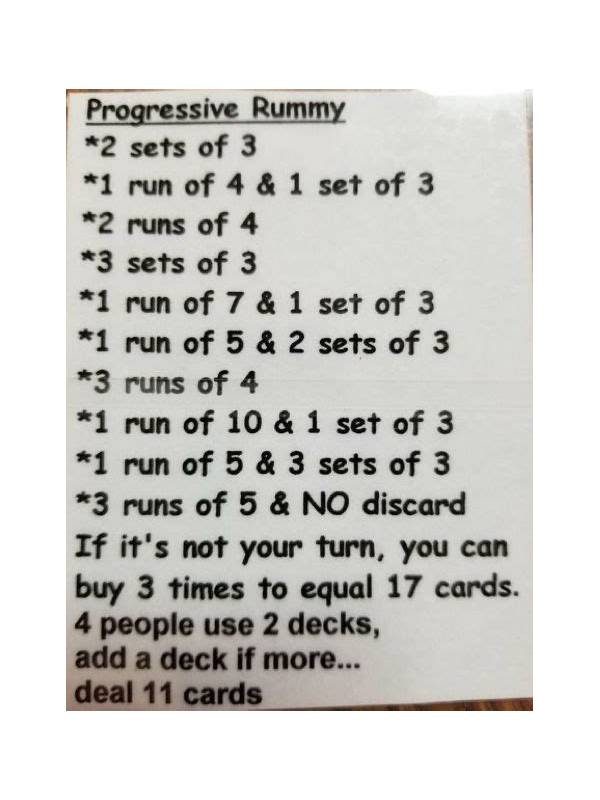
Rummy Guide: Identify the Most Expensive Unconnected Card

An unconnected card is not automatically a bad card. It may become a bridge, join a group, or provide a useful backup. Risk rises when the card is expensive, has few realistic connections, and competes with stronger routes for space. Identifying that combination helps make discards more deliberate.
First separate cards with confirmed roles from cards with possible roles. A confirmed sequence or group should not be treated as available simply because another arrangement looks attractive. Then examine each remaining card. Ask how many exact cards could improve it, whether those cards would create a valid result, and whether the improvement would require breaking something else.
Consider penalty alongside connection count. A high-value card with no route deserves urgent attention, but urgency does not mean throwing it away blindly. Check whether it can join a pair or sequence using a card already visible in the discard history. A low-value card may be safer to hold while you wait for information.
Look at the hand as a whole. Two medium cards may be individually plausible but collectively awkward if they need the same missing rank. This shared dependency makes both less valuable than they first appear. Mark the dependency and compare it with a card that supports an independent route.
Before discarding, consider what the discard communicates and whether the card could help another player. Information matters, but it should not justify holding a dangerous card forever. A defensible choice balances your own penalty, your progress, and the likelihood of giving away a useful signal.
Repeat the assessment after every meaningful draw. The most expensive unconnected card can change quickly. Good hand management is a moving evaluation, not a label applied at the start. When you can explain why a card is being held and what event would change that decision, your discard process becomes clearer and faster. Use a small comparison table in your notes if that helps: card, credible routes, penalty, and review trigger. The table is not a substitute for judgment, but it stops an attractive card from receiving special treatment. Recheck when a new rank appears, when a player releases a related card, or when confirmed combinations change. Be careful with claims about another player; public information is incomplete. Your own penalty and structure should remain the main evidence. The point is to make risk visible early enough that the discard remains a choice rather than an emergency.
Related Post

Rummy Endgame Sorting When the Hand Is Nearly Ready
Finish a nearly complete rummy hand with a structured scan instead of last-second rearranging. [...]
Rummy Strategy: Use a Three-Window Card Scan
A three-window scan helps organize a rummy hand before a draw creates new choices. [...]