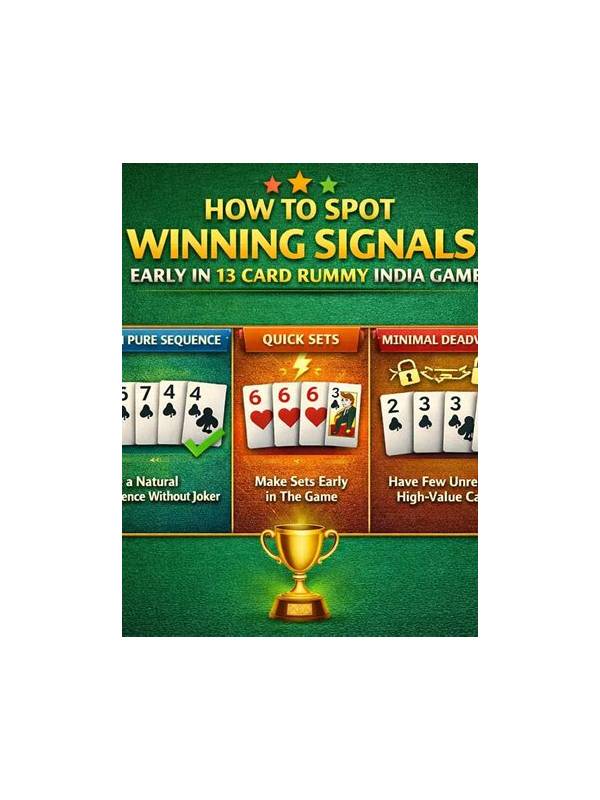
Rummy Tips: Treat Uncertainty as a Limited Resource

Every uncertain card consumes attention. A hand with many pairs, half-sequences, and speculative connectors can look rich while being difficult to manage. Treat uncertainty as a limited resource: keep only the possibilities that offer a credible improvement and a reasonable exit.
Count uncertain units rather than individual cards. Two cards needing the same missing connector may represent one route, while two cards needing unrelated cards may represent two routes. Note where routes overlap. Overlap can be efficient when one draw helps both, but dangerous when several cards depend on the same unlikely event.
Then rank each route by strength. A route is stronger when it is close, valid, compatible with confirmed combinations, and supported by visible information. A route is weaker when it needs several exact cards, requires breaking a good structure, or keeps expensive cards in the hand. Do not keep a weak route merely because it is technically possible.
When uncertainty becomes crowded, reduce it deliberately. Discard the card with the least credible future, complete a promising structure, or preserve a low-penalty flexible card. The right action depends on the rules and hand, but the principle is consistent: make the next decision easier, not merely the current hand more interesting.
Avoid replacing one uncertainty with another without checking the total. A new card may open a route while leaving the old route alive, increasing clutter rather than progress. Ask which possibility you are actually choosing to support. If the answer is none, the draw has not earned a place.
This framework is useful after every turn because the uncertainty budget changes. A confirmed combination frees attention; a missed draw may consume it. By limiting speculative routes, you make the hand more readable and reduce impulsive decisions. The goal is not perfect prediction, but a manageable set of credible choices. One practical signal is how long it takes to name your least useful card. If every card seems equally promising, the hand may contain too many speculative routes. Write the requirement for each route in a few words. Shared requirements become visible, and one route may prove less credible. Ask whether a new card improves structure or only changes appearance. When uncertainty is controlled, you only need enough clarity to choose a reasonable action and recognize change. That is enough structure to keep attention focused without pretending the future is known. Clear categories turn a crowded hand into a small set of choices you can compare.
Related Post
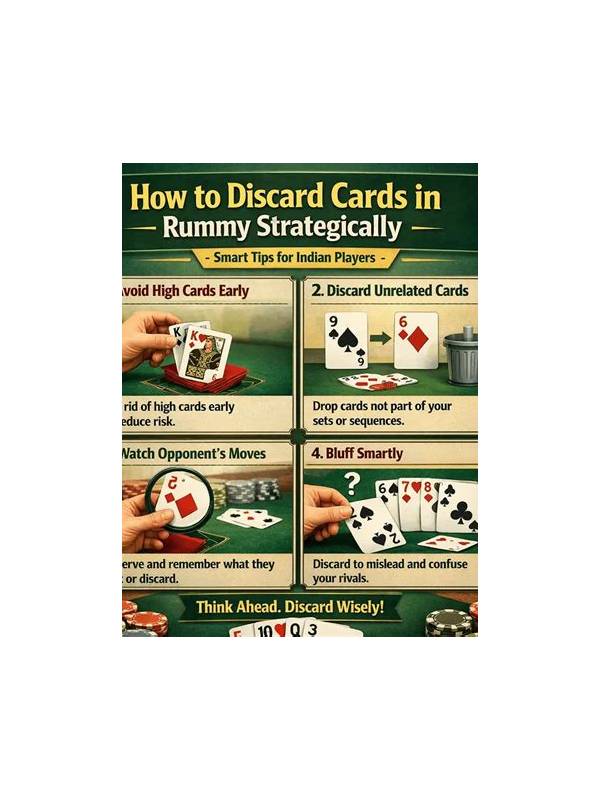
Rummy How-To: Read an Opponent’s Discard Pattern Carefully
A careful discard review can provide useful clues without turning limited table information into false [...]
Rummy FAQ: Why Can Sorting Order Affect Your Review?
Sorting cards in different ways reveals different patterns, so a consistent review may use more [...]