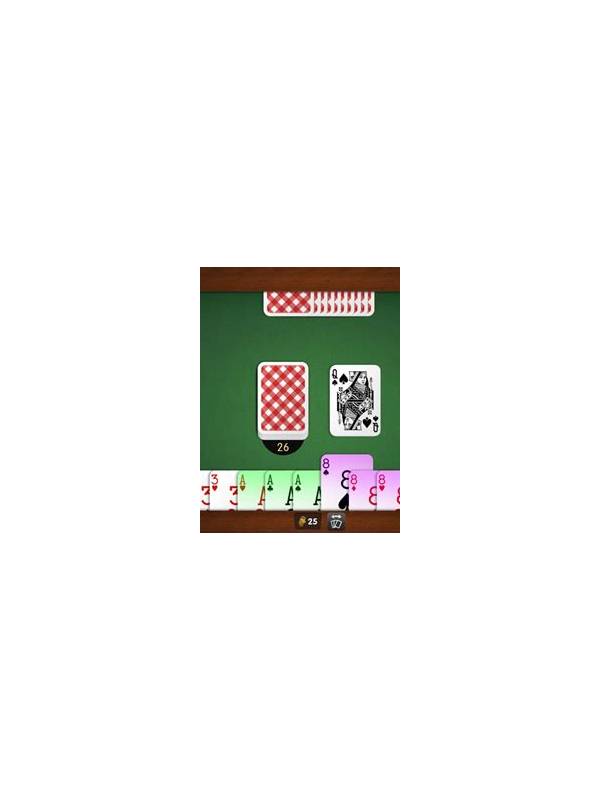
Rummy Safety: Recognize a Session That Needs a Break
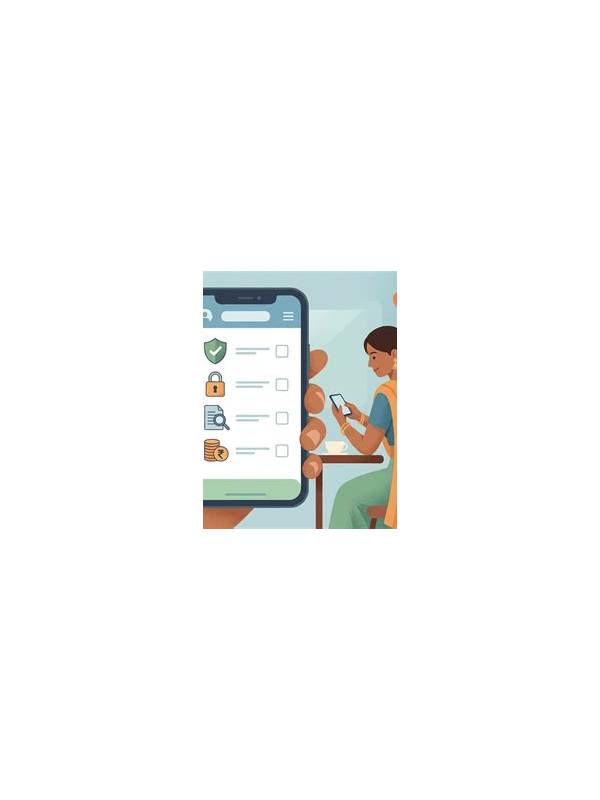
A break is useful before a session becomes uncomfortable. Warning signs are often ordinary: rereading the same cards, clicking before checking, feeling unusually irritated, or losing track of the preset time. These signs do not say anything about your character. They say that attention and decision quality need recovery.
Set the break rule before play. You might pause after a fixed number of hands, after a set period, or whenever you notice two rushed decisions. A rule chosen in advance is easier to follow than a promise made after frustration arrives. During the break, leave the table and change activity rather than watching the game continue.
Do not use a break to plan a deposit or chase a loss. The purpose is to regain distance. Drink water, walk, stretch, or attend to another task. If the urge to continue feels urgent, extend the break and consider ending the session completely. Continuing is optional; recovering money or proving a point is not a sound objective.
Review your practical conditions. Poor sleep, hunger, alcohol or other substances, a stressful conversation, and a distracting environment can all reduce judgment. If any of these are present, a free practice mode or no play may be the safer choice. Follow local law, age requirements, and platform restrictions.
Use technical limits where available. Deposit limits, spending alerts, time reminders, cooling-off periods, and self-exclusion tools can add distance when willpower is unreliable. Protect account access and never share passwords or verification codes with anyone.
A healthy session includes the ability to stop without distress. If play is interfering with finances, relationships, work, or sleep, seek support from someone you trust or an appropriate local service. A break is a normal part of responsible use, not a failure of strategy. Make the physical break concrete. Close the table, put the device down, and move to a different room if possible. Avoid reviewing the last hand repeatedly while emotions are high. If you return, read your preset limits before joining anything and ask whether you can stop comfortably after one hand. If the answer is no, end the session. A break should restore freedom to choose, not create a countdown until you resume. Responsible play protects sleep, finances, and relationships as carefully as any card decision. Stopping early is a valid result when the conditions for clear judgment are absent. The safest session is one that ends while stopping still feels easy.
Related Post
Rummy Comparison: Fixed Deadlines Versus Natural Plan Changes
Fixed deadlines create discipline, while natural plan changes offer flexibility; combining both can improve hand [...]
Rummy FAQ: Can Two Jokers Replace the Same Missing Card?
Joker questions are best answered by checking the variant’s exact grouping and declaration rules. [...]