Rummy How-To: Annotate a Hand Without Revealing It
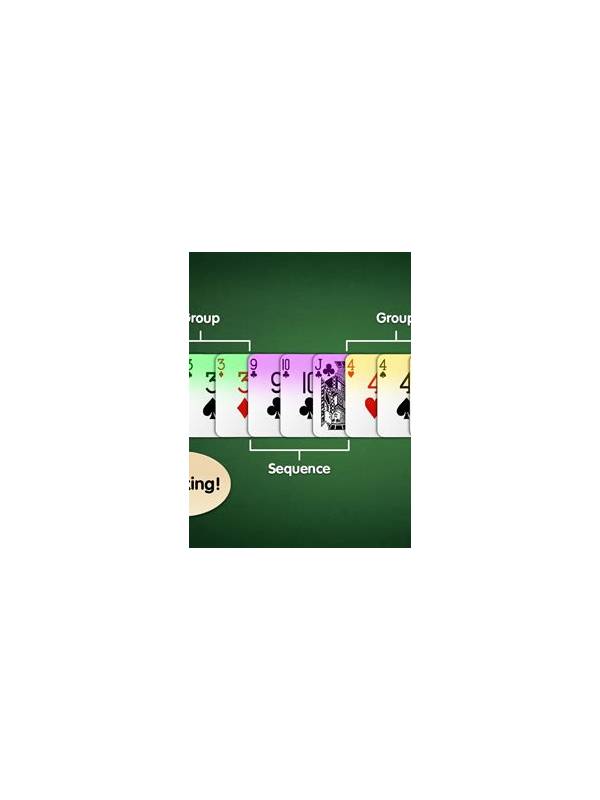
Annotation is useful when you want to understand a hand after play, but notes can accidentally reveal more than intended. A safe method records decisions and structure without copying account details, usernames, or a complete screenshot.
Begin with a private label that means nothing outside your own records, such as a date and hand number. Do not include a phone number, account identifier, payment reference, or login information. If you are reviewing a screenshot, crop away profiles, balances, chat messages, and notifications before storing it. A written summary is often safer than keeping the image.
Use symbols for roles rather than full card lists. For example, mark a card as a high singleton, flexible connector, pair, or committed group. If exact cards matter for learning, record only the minimum needed and keep the note in a private, protected location. Avoid copying another player’s name or personal message into your review.
For each important turn, write four short items: the choice made, the intended purpose, the evidence available at that moment, and the alternative considered. A note might say, “Kept a connector to preserve two routes; had seen one related discard; considered releasing a high singleton.” This captures reasoning without claiming certainty about unseen cards.
Separate observation from interpretation. Use “Player took two cards from the visible pile” for an observation and “I guessed they wanted a sequence” for an interpretation. This distinction makes later review more honest. It also prevents a guess from becoming a false fact after the hand ends.
Finish with one improvement question, not a long verdict. Ask whether the discarded card had more flexibility, whether the plan had an exit, or whether the decision was rushed. Delete or securely dispose of notes that no longer help. Good annotation supports learning and privacy at the same time: record enough to examine the decision, and nothing that another person could use against you. If you share a lesson with a study partner, generalize the details first. Replace exact usernames with “opponent,” omit balances and links, and discuss the decision pattern rather than the identity of anyone involved. Never publish a complete hand history that includes private account information. A useful example can be reconstructed from fictional cards while preserving the same strategic question. Keep the file name and storage location neutral as well. Do not use a public shared folder for hand notes, and remove cloud links you no longer need. If your device is shared, use its normal privacy controls. Small choices in storage can protect the context that your annotation was meant to preserve.
Related Post
Rummy Comparison: Memory Notes Versus Visible Hand Markers
Compare mental tracking and simple visual markers to find a practical way to organize rummy [...]
Rummy Strategy: Choose a Discard That Preserves Two Plans
Learn how to compare discards by keeping two credible routes alive while your hand develops. [...]